
Should Every Child Learn Public Speaking? Benefits, Tips & Activities to Build Confidence
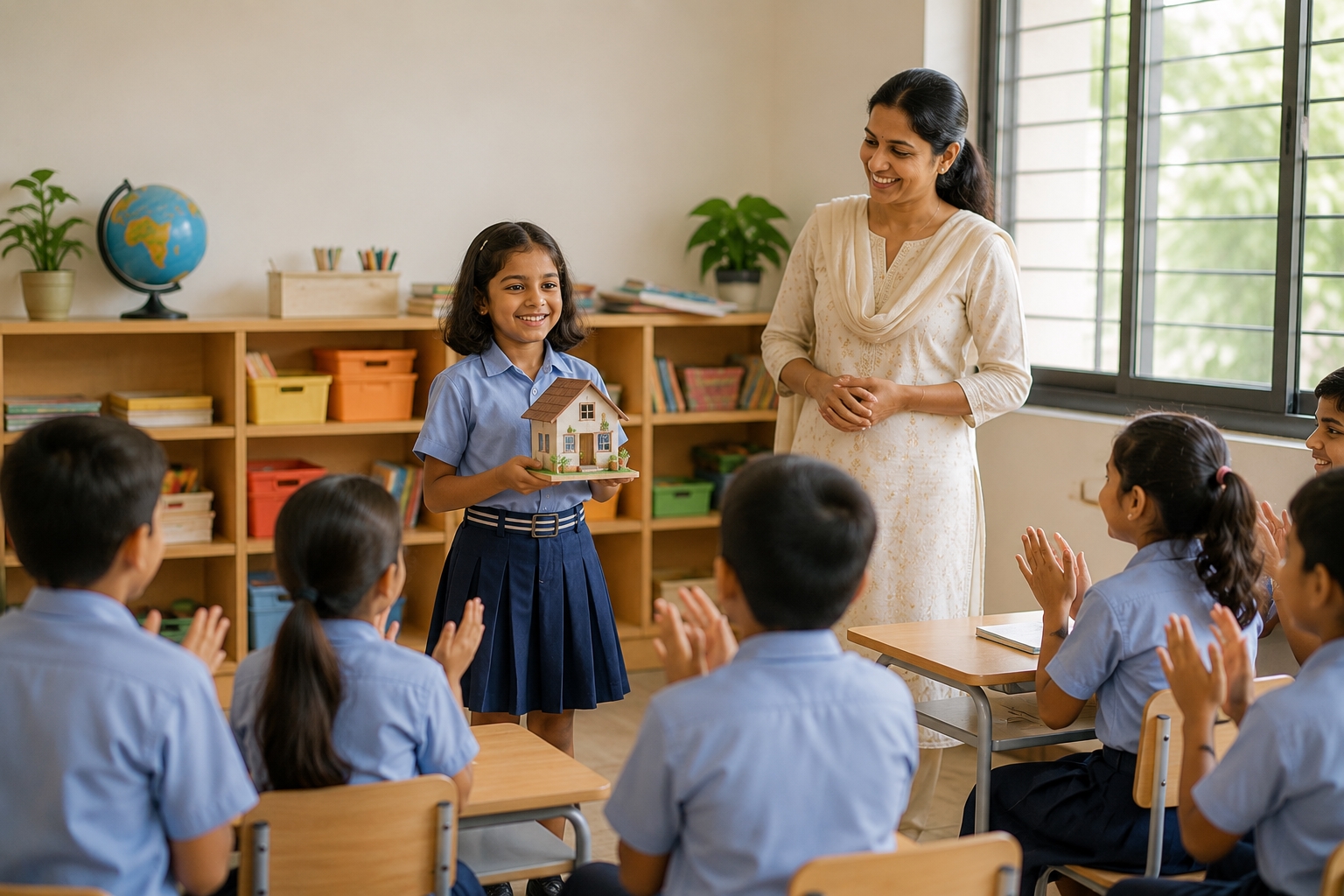
Yes, every child should learn public speaking. Public speaking helps children communicate clearly, build confidence, improve leadership skills, think critically, and express their ideas effectively. It is not only useful for speeches and competitions but also for classroom participation, teamwork, interviews, and future career success. With regular practice and the right guidance, every child can become a confident speaker.
Imagine your child confidently answering questions in class, introducing themselves to new people, leading a group project, or delivering a speech on stage without fear. These are not talents that only a few children possess—they are skills that can be learned through public speaking.
Many parents believe public speaking is only for children who participate in debates or speech competitions. In reality, it is a life skill that benefits every child, regardless of personality or career aspirations. Whether your child is naturally outgoing or shy, learning how to communicate confidently helps them succeed in school, build meaningful relationships, and prepare for future opportunities.
At ClassMonitor, we believe every child deserves the confidence to express their ideas. Through engaging, activity-based learning, children gradually develop communication skills in a fun and supportive environment.
In this guide, you'll discover why every child should learn public speaking, the benefits it offers, practical ways to develop the skill, and how parents and teachers can support young learners.
Why Is Public Speaking Important for Every Child?
Public speaking is much more than standing on a stage with a microphone. It is the ability to express thoughts clearly, communicate with confidence, and connect with others.
Children use public speaking skills every day when they:
- Answer questions in class
- Introduce themselves
- Share stories
- Participate in group discussions
- Explain ideas
- Ask questions confidently
- Express their feelings
Strong communication skills help children become more independent, confident, and successful in every aspect of life.
Top Benefits of Public Speaking for Children
1. Builds Confidence
Confidence develops when children learn to speak without fear. Every opportunity to share ideas, tell stories, or participate in discussions helps them believe in themselves.
Confident children are more willing to participate in school activities, competitions, and leadership opportunities.
2. Improves Communication Skills
Public speaking teaches children how to organize their thoughts and express themselves clearly.
They learn:
- Better vocabulary
- Clear pronunciation
- Sentence formation
- Active listening
- Respectful conversations
These communication skills benefit them throughout life.
3. Enhances Academic Performance
Students who communicate confidently often perform better in:
- Classroom presentations
- Oral assessments
- Group projects
- Storytelling competitions
- Debates
- Viva examinations
Speaking confidently also improves classroom participation and learning outcomes.
4. Develops Leadership Skills
Every great leader communicates effectively.
Public speaking helps children:
- Inspire others
- Share ideas confidently
- Solve problems
- Work in teams
- Make decisions
These qualities prepare them for future leadership roles.
5. Encourages Critical Thinking
Preparing a speech teaches children to:
- Think logically
- Organize ideas
- Support opinions
- Solve problems
- Answer unexpected questions
These thinking skills benefit every school subject.
6. Improves Emotional Intelligence
Speaking in front of others helps children understand emotions—both their own and those of others.
They gradually learn:
- Self-awareness
- Empathy
- Emotional control
- Patience
- Respect for different opinions
These skills strengthen friendships and teamwork.
7. Reduces Stage Fear
Many children fear speaking in front of others.
Regular practice through storytelling, presentations, and classroom discussions gradually reduces nervousness and builds self-confidence.

Signs Your Child Could Benefit from Public Speaking
Your child may benefit from public speaking activities if they:
- Feel shy in social situations
- Avoid answering questions in class
- Speak very softly
- Feel nervous during presentations
- Struggle to express ideas
- Avoid competitions
- Depend heavily on memorization
- Lack confidence around new people
The earlier children begin practicing, the easier it becomes to overcome these challenges.
Should Shy Children Learn Public Speaking?
Absolutely.
Public speaking is especially beneficial for shy children because it helps them gain confidence gradually.
The goal is not to make every child an extrovert—it is to help every child communicate comfortably.
With encouragement, positive feedback, and small speaking opportunities, even quiet children can become confident communicators.
How Parents Can Encourage Public Speaking at Home
Parents are a child's first audience.
Simple daily activities can make a huge difference.
Talk About the Day
Ask open-ended questions like:
- What was the best part of your day?
- What made you laugh today?
- What new thing did you learn?
These conversations improve expression naturally.
Read Together
Reading improves:
- Vocabulary
- Pronunciation
- Sentence structure
- Confidence
Ask your child to read aloud for 15 minutes every day.
Encourage Storytelling
Invite children to create stories using pictures, toys, or everyday experiences.
Storytelling improves creativity and speaking confidence simultaneously.
Practice in Front of a Mirror
Mirror practice helps children observe:
- Eye contact
- Facial expressions
- Body posture
- Hand gestures
This builds self-awareness and confidence.
Fun Public Speaking Activities
Learning becomes exciting when children play.
Try these activities:
| Activity | Skill Developed |
| Show and Tell | Confidence |
| Storytelling | Creativity |
| Role Play | Communication |
| Picture Description | Vocabulary |
| One-Minute Speech | Fluency |
| Puppet Show | Expression |
| News Reporter Game | Presentation Skills |
| Family Quiz Host | Leadership |
Even 15 minutes of practice each day can make a noticeable difference.
Common Mistakes Parents Should Avoid
Sometimes parents unknowingly reduce a child's confidence.
Avoid:
❌ Comparing children
❌ Correcting every mistake immediately
❌ Forcing long speeches
❌ Expecting perfection
❌ Focusing only on winning competitions
Instead:
✔ Celebrate progress
✔ Encourage effort
✔ Make learning enjoyable
✔ Build confidence step by step
How Teachers Help Children Become Better Speakers
Schools play an important role in developing communication skills.
Teachers can encourage public speaking through:
- Morning assemblies
- Storytelling sessions
- Classroom discussions
- Debate competitions
- Show and Tell
- Group presentations
- Reading aloud
- Role-playing activities
Regular speaking opportunities create confident learners.
Public Speaking Today, Success Tomorrow
Strong communication skills prepare children for:
- School interviews
- College admissions
- Leadership roles
- Team projects
- Job interviews
- Entrepreneurship
- Everyday communication
In today's world, the ability to express ideas confidently is just as important as academic knowledge.
How ClassMonitor Helps Children Become Confident Speakers
At ClassMonitor, we believe learning communication skills should be interactive, engaging, and enjoyable.
Our Public Speaking Program focuses on building confidence through activity-based learning instead of rote memorization.
Children develop speaking skills through:
- Interactive live classes
- Storytelling sessions
- Speech practice
- Vocabulary-building games
- Role-playing activities
- Presentation exercises
- Confidence-building challenges
- Personalized mentor feedback
Our goal is not simply to help children give better speeches—we help them become confident communicators who can express ideas clearly in school and everyday life.

Final Thoughts
Every child has a unique voice, and every child deserves the confidence to use it.
Public speaking is no longer just an extracurricular activity—it is an essential life skill that helps children succeed academically, socially, and professionally. Whether your child dreams of becoming a scientist, artist, teacher, entrepreneur, or leader, the ability to communicate confidently will always be an advantage.
The journey begins with small conversations, storytelling, encouragement, and consistent practice. When children are supported in a positive learning environment, they gradually overcome fear, discover their strengths, and become confident speakers.
With the right guidance from parents, teachers, and programs like ClassMonitor, every child can develop the communication skills needed to thrive in today's world.
Frequently Asked Questions
1. Should every child learn public speaking?
Yes. Public speaking improves confidence, communication, leadership, and academic performance while preparing children for future success.
2. At what age should children start learning public speaking?
Children can begin as early as 5–7 years through storytelling, conversations, role play, and simple classroom activities.
3. Can shy children become good public speakers?
Absolutely. Regular practice, encouragement, and a supportive environment help shy children become confident communicators.
4. How can parents improve their child's public speaking?
Parents can encourage daily conversations, storytelling, reading aloud, mirror practice, and participation in speaking activities.
5. What are the benefits of public speaking for kids?
It improves confidence, communication, vocabulary, leadership, emotional intelligence, critical thinking, and classroom participation.
6. How often should children practice public speaking?
Practicing 15–20 minutes daily is enough to steadily improve speaking confidence and communication skills.
7. What activities improve public speaking?
Storytelling, role play, show and tell, debates, picture description, reading aloud, and one-minute speeches are excellent activities.
8. How does ClassMonitor help children become confident speakers?
ClassMonitor combines interactive live classes, storytelling, communication games, speech practice, and personalized feedback to help children build confidence and become effective communicators.