
What Is the Right Age to Start Spelling Bee Training? | ClassMonitor
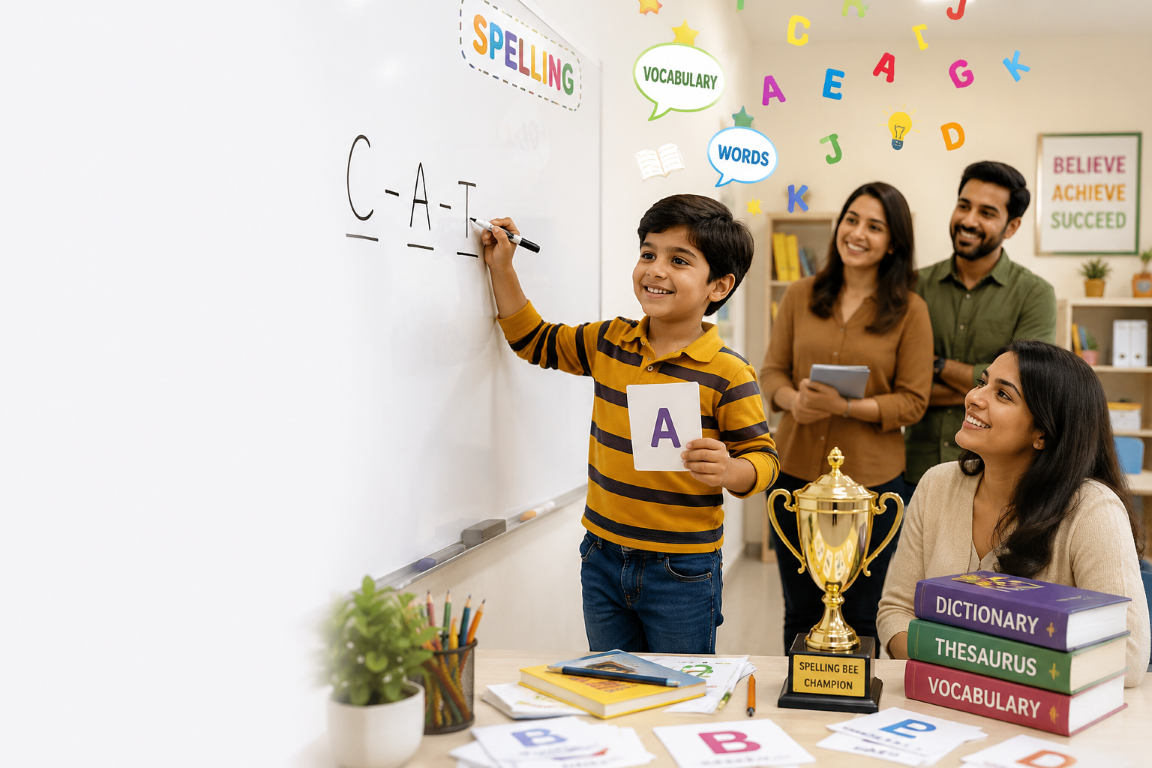
What Is the Right Age for a Child to Start Spelling Bee Training?
Every parent wants their child to become a confident reader, writer, and communicator. If you've recently heard about spelling bee competitions, you might be wondering:
"What is the right age for a child to start spelling bee training?"
The simple answer is between 5 and 7 years of age, when children have developed basic reading skills, phonics awareness, and letter-sound recognition.
However, every child learns differently. Some children are ready earlier, while others benefit from beginning later after strengthening their reading foundation.
In this guide, you'll learn:
- the ideal age to begin
- signs your child is ready
- benefits of early spelling bee preparation
- mistakes parents should avoid
- how to prepare beginners successfully
Quick Answer
The ideal age to start spelling bee training is 5 to 7 years. At this stage, children usually understand phonics, recognize common sight words, and can spell simple words independently. Early training helps improve vocabulary, spelling accuracy, reading fluency, memory, and confidence without creating unnecessary academic pressure.
Why Age 5–7 Is Considered the Best Time
Children in this age group naturally absorb language patterns.
Their brains are rapidly developing skills such as:
- phonemic awareness
- vocabulary acquisition
- memory retention
- listening skills
- reading fluency
- pronunciation
Learning spellings at this stage feels more like play than study, making long-term retention easier.
Signs Your Child Is Ready for Spell Bee Training
Instead of focusing only on age, look for these readiness signs.
Your child may be ready if they:
- enjoys reading storybooks
- recognizes common sight words
- asks about unfamiliar words
- likes word games
- remembers new spellings quickly
- enjoys quizzes and language activities
- can sound out unfamiliar words using phonics
If your child shows most of these signs, they can begin beginner-level spelling bee preparation.
Can Children Start Before Age 5?
Yes—but training should look different.
For preschoolers aged 3–5 years, focus on:
- phonics activities
- alphabet sounds
- rhyming games
- storytelling
- vocabulary conversations
- picture-word matching
At this age, children should build language skills instead of memorizing difficult spellings.
Benefits of Starting Spell Bee Training Early
Starting at the right age offers long-term advantages beyond competitions.
Improves Vocabulary
Children naturally learn new words while preparing for spelling challenges.
Strengthens Reading Skills
Understanding spelling patterns improves reading fluency and decoding skills.
Develops Better Memory
Repeated spelling practice strengthens working memory and long-term recall.
Builds Confidence
Successfully spelling difficult words encourages children to participate more actively in classrooms and competitions.
Enhances Listening Skills
Children learn to identify sounds, syllables, and pronunciation carefully.
Improves Writing Accuracy
Correct spelling reduces writing mistakes and supports better academic performance.
How Beginners Should Start Spell Bee Preparation
Children don't need hundreds of difficult words on Day 1.
Instead, build a strong foundation.
Start with:
Learn Phonics First
Children who understand sounds remember spellings much faster.
Read Daily
Reading introduces new vocabulary naturally.
Even 15 minutes of reading every day can make a noticeable difference.
Practice Word Families
Examples include:
- cat
- bat
- mat
- hat
Recognizing patterns helps children spell unfamiliar words more easily.
Use Flashcards
Visual repetition strengthens memory.
Keep sessions short and engaging.
Play Spelling Games
Games make learning enjoyable while reducing pressure.
Examples include:
- Word Bingo
- Hangman
- Letter Tiles
- Crossword puzzles
- Word Search
Participate in Mock Spell Bees
Practice under friendly competition conditions helps children become comfortable speaking aloud and spelling under time limits.

Common Mistakes Parents Should Avoid
Many children lose interest because of unnecessary pressure.
Avoid:
- forcing children to memorize long word lists
- comparing them with others
- correcting every mistake immediately
- practicing for long hours
- focusing only on winning competitions
Instead, celebrate consistent improvement.
How Often Should Children Practice?
Experts recommend:
- 15–20 minutes daily for beginners
- regular reading
- weekly revision
- monthly mock spelling competitions
Consistency matters more than lengthy study sessions.
How ClassMonitor Helps Children Prepare for Spell Bee Success
At ClassMonitor, spelling development goes beyond memorizing words.
Our structured learning approach helps children build strong language foundations through:
- phonics-based learning
- vocabulary-building activities
- interactive worksheets
- spelling games
- reading practice
- memory techniques
- engaging live learning experiences
Children gradually improve their spelling, pronunciation, reading, and communication skills while enjoying the learning process.

Final Thoughts
There isn't one perfect age for every child.
However, 5 to 7 years is generally the ideal time to begin spelling bee training because children have developed the foundational reading and phonics skills needed for success.
The goal isn't simply to win a spelling competition. It's to help children become confident readers, stronger writers, and effective communicators. With consistent practice, engaging activities, and the right guidance, every child can build lifelong language skills.
FAQs
1. What is the best age to start spelling bee training?
Most children are ready between 5 and 7 years old, once they have basic phonics knowledge, reading skills, and letter-sound recognition.
2. Can a 4-year-old participate in a spelling bee?
Yes. A 4-year-old can begin with phonics games, simple vocabulary, and beginner spelling activities before joining formal spelling competitions.
3. Do children need to know phonics before joining a spelling bee?
Yes. Phonics helps children understand sound-letter relationships, making it easier to spell unfamiliar words accurately and confidently.
4. How can beginners prepare for a spelling bee?
Begin with phonics, daily reading, flashcards, spelling games, word families, and short practice sessions. Consistency is more effective than memorizing long word lists.
5. How much daily practice is enough for spelling bee preparation?
For beginners, 15–20 minutes of focused practice combined with regular reading is usually enough to build spelling skills and vocabulary steadily.
6. Does spelling bee training improve school performance?
Yes. It strengthens vocabulary, reading comprehension, writing accuracy, memory, listening skills, and overall language development, which supports better academic performance.