
Public Speaking for Kids: What Is the Best Age to Start Building Confidence and Communication Skills?
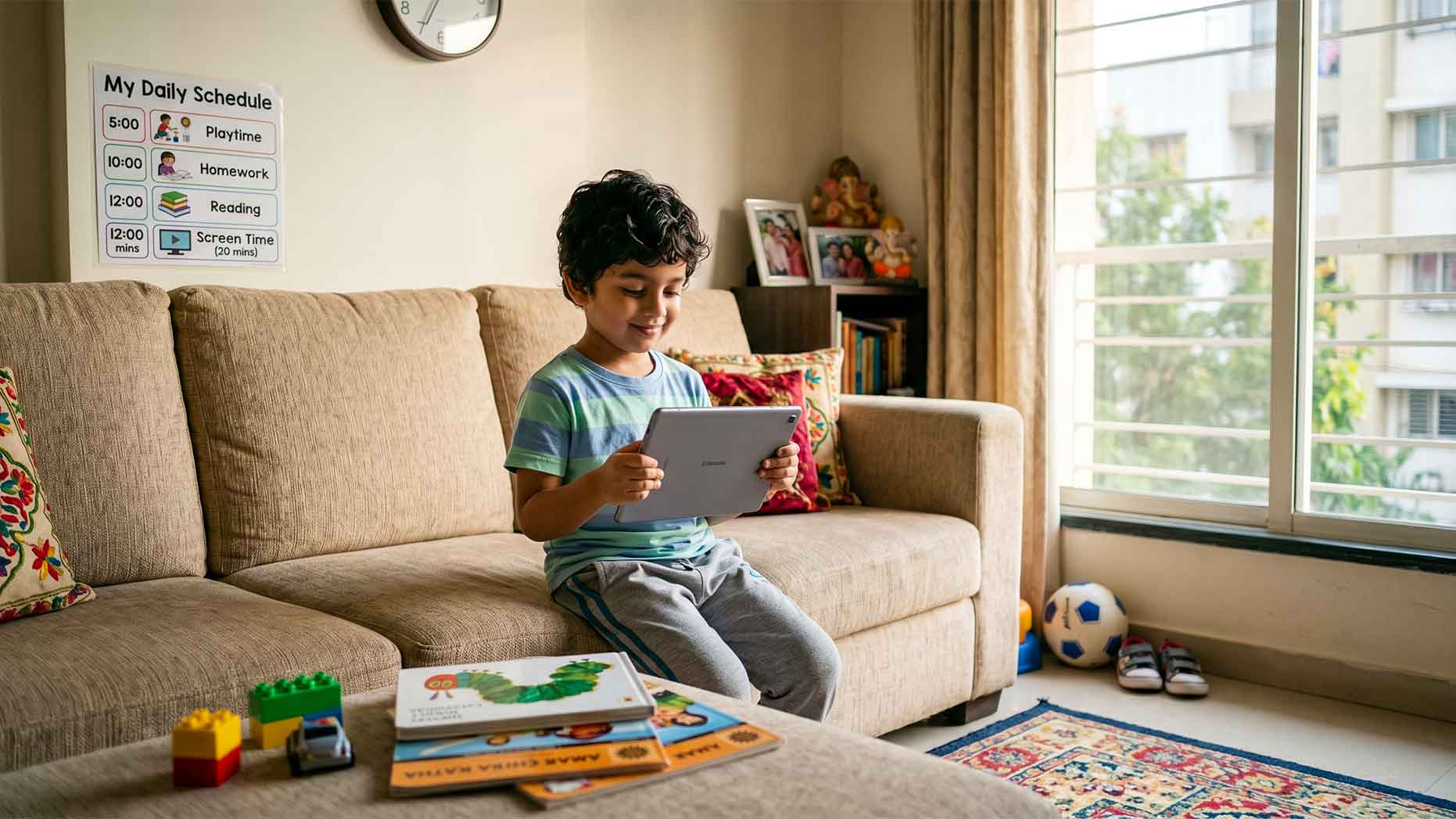
Imagine this.
Your six-year-old knows the answer in class. They whisper it to you later at home but when the teacher asks, they stay silent.
Or perhaps your child talks endlessly at home but freezes the moment they're asked to introduce themselves in front of others.
Many parents assume this is simply "shyness" that children will eventually outgrow. Others worry that introducing public speaking at a young age may create unnecessary pressure.
The reality is quite different.
The early years from ages five to eight are one of the most important windows for developing communication skills. During this stage, children are naturally building language, confidence, emotional awareness, and social interaction. With the right guidance, they can learn to express themselves comfortably long before stage fear becomes a habit.
Public speaking at this age isn't about memorizing speeches or winning competitions. It's about helping children organize their thoughts, speak with confidence, and enjoy expressing themselves.
In this guide, we'll explore why ages 5–8 are ideal for communication development, how to recognize when your child is ready, and what parents can do to nurture confident speaking without pressure.
Quick Answer
If you're wondering whether your child is too young for public speaking, the answer is no.
Children between 5 and 8 years are at an excellent stage to begin developing speaking skills because they are naturally:
- Expanding their vocabulary
- Building social confidence
- Learning emotional expression
- Becoming comfortable interacting with groups
- Developing curiosity and creativity
At this age, public speaking is playful not formal.
Instead of delivering speeches, children learn through storytelling, conversations, role play, presentations, games, and group activities that make communication enjoyable.
What Does Public Speaking Mean for Kids?
When adults hear the words public speaking, they often imagine large stages, microphones, and formal presentations.
For children, it looks very different.
Public speaking simply means feeling comfortable expressing thoughts, ideas, feelings, and experiences in front of others.
It includes everyday activities such as:
- Answering questions in class
- Introducing themselves
- Storytelling
- Show-and-tell sessions
- Reading aloud
- Sharing opinions
- Group discussions
- Presenting simple projects
The objective isn't perfect grammar or polished speeches.
The objective is confidence.
When children become comfortable expressing themselves, every future communication skill becomes easier to learn.

Why Ages 5–8 Are the Golden Years for Communication Development
Between ages five and eight, children's brains are developing rapidly.
They are learning not only language but also how to organize thoughts, interpret emotions, understand social cues, and interact with peers.
This makes it one of the most effective periods to develop communication habits.
Children in this age group are naturally:
Curious
They constantly ask questions and seek explanations.
Imaginative
Storytelling and pretend play help them structure ideas naturally.
Social
They begin interacting more independently with classmates and teachers.
Fearless Learners
Unlike older children, they usually aren't overly concerned about making mistakes—unless repeated criticism teaches them to be.
This combination creates the perfect environment for nurturing confident communication.
Why Do Some Children Become Afraid of Speaking?
Fear of public speaking rarely appears overnight.
It usually develops gradually through experiences.
Fear of Being Judged
Children quickly become aware that others are watching them.
A single embarrassing experience may make them hesitant to speak again.
Limited Speaking Opportunities
Today's children often spend more time consuming content than creating conversations.
Watching videos does not replace practicing communication.
Speaking is a skill that improves only through use.
Perfectionism
Some children believe they must say everything perfectly.
Instead of risking mistakes, they choose silence.
Lack of Positive Experiences
If children are corrected every time they speak, they begin associating speaking with criticism instead of confidence.
Signs Your Child Is Ready to Learn Public Speaking
Parents often ask whether they should wait until their child is older.
In reality, readiness is usually easier to spot than age.
Your child may be ready if they:
Love telling stories
Whether real or imaginary, storytelling builds sequencing and expression.
Ask endless questions
Curiosity encourages conversation.
Enjoy pretend play
Role-playing develops imagination, voice control, and expression.
Share opinions confidently
Children who naturally explain their likes, dislikes, and ideas benefit enormously from structured communication activities.
Even quiet children can be excellent communicators.
Readiness isn't about being loud.
It's about being willing to express thoughts.

Why Public Speaking Is About Much More Than Speaking
Many parents enroll children hoping they'll become confident on stage.
The benefits extend far beyond that.
Better Academic Performance
Strong communicators participate more in classrooms, ask questions confidently, and understand lessons more deeply because they actively engage in learning.
Emotional Intelligence
Children who can express emotions clearly are better equipped to solve conflicts, ask for help, and build healthy friendships.
Leadership Skills
Every leader shares one common ability:
They communicate ideas clearly.
Learning this skill early lays the foundation for future leadership.
Critical Thinking
Speaking encourages children to organize thoughts before expressing them.
This strengthens reasoning and decision-making.
Confidence That Transfers Everywhere
Confidence built during speaking activities often appears in sports, academics, friendships, competitions, and everyday life.
Practical Ways Parents Can Build Speaking Confidence at Home
You don't need a stage.
Small daily habits make the biggest difference.
Turn Dinner into Conversation Time
Instead of asking,
"How was school?"
Ask,
"What made you laugh today?"
or
"If you could change one thing about school today, what would it be?"
Open-ended questions encourage detailed responses.
Make Storytelling a Daily Habit
Ask your child to tell:
- what happened today,
- how they would change the ending of a story,
- or invent an adventure featuring their favourite toy.
Storytelling naturally improves vocabulary, sequencing, and confidence.
Create Mini Presentations
Invite your child to explain:
- a favourite book,
- a drawing,
- a toy,
- or even how to play a game.
These short presentations help normalize speaking in front of others.
Celebrate Effort
Instead of saying,
"You forgot one sentence."
Try saying,
"I loved how clearly you shared your idea."
Praise effort before correction.
Join a Structured Program
While home practice builds comfort, structured public speaking classes expose children to group discussions, presentations, storytelling, debates, and expert guidance in a supportive environment.
Mistakes Parents Often Make
While home practice builds comfort, structured public speaking classes expose children to group discussions, presentations, storytelling, debates, and expert guidance in a supportive environment.
Forcing Performance
Even with the best intentions, some habits reduce confidence.
Children build confidence through encouragement—not pressure.
Interrupting Frequently
Correcting pronunciation or grammar every few sentences breaks confidence.
Allow children to finish before offering gentle guidance.
Comparing Siblings
Every child develops communication skills at a different pace.
Comparison creates anxiety instead of motivation.
Expecting Instant Results
Confidence develops gradually through repeated positive experiences.
Consistency matters more than speed.
What Research Suggests
Research in child development consistently shows that the early elementary years are a critical period for language acquisition, social development, and self-expression.
Children who regularly participate in storytelling, collaborative discussions, role play, and presentation-based activities tend to develop:
- stronger vocabulary,
- better listening skills,
- improved social confidence,
- higher classroom participation,
- and greater willingness to solve problems through communication.
Rather than treating speaking as a separate subject, experts increasingly recognize communication as a foundational life skill that supports academic success, emotional well-being, and future career readiness.
A Real-Life Example
Six-year-old Aarav loved answering questions at home but rarely spoke in school.
Instead of pushing him to "speak louder," his parents began asking him to tell one story every evening after dinner.
Later, they enrolled him in a children's public speaking program where storytelling, games, and group activities made speaking enjoyable rather than stressful.
Within a few months, Aarav was volunteering answers in class, participating in school assemblies, and speaking with noticeably greater confidence.
The transformation didn't happen because he memorized speeches.
It happened because speaking became a positive experience.
Parent Action Checklist
✔ Ask one open-ended question every day
✔ Encourage storytelling instead of one-word answers
✔ Give your child opportunities to explain ideas
✔ Celebrate effort before correcting mistakes
✔ Avoid comparing your child with others
✔ Practice speaking through fun family activities
✔ Consider age-appropriate public speaking classes
FAQs
What is the best age for public speaking classes?
Most experts recommend introducing public speaking activities between ages 5 and 8, when children are naturally developing communication skills.
Is 5 years old too young for public speaking?
No. At age 5, public speaking can begin through storytelling, show-and-tell activities, and simple conversations.
Can shy children learn public speaking?
Absolutely. Public speaking classes help shy children gradually build confidence and become comfortable expressing themselves.
How do public speaking classes help children?
They improve confidence, communication skills, vocabulary, leadership abilities, and classroom participation.
How often should children practice speaking?
Even 10–15 minutes of speaking activities daily can significantly improve confidence and fluency.
What are the benefits of communication skills for children?
Communication skills support academic success, social development, confidence, and future career readiness.
What activities improve public speaking skills?
Storytelling, debates, role-play, presentations, discussions, and speech practice are highly effective.
Are online public speaking classes effective for kids?
Yes. Interactive online classes provide structured guidance, personalized feedback, and regular speaking opportunities from home.