
Positive Affirmations for Kids: 75 Daily Positive Affirmations to Build Confidence, Self-Esteem & a Growth Mindset
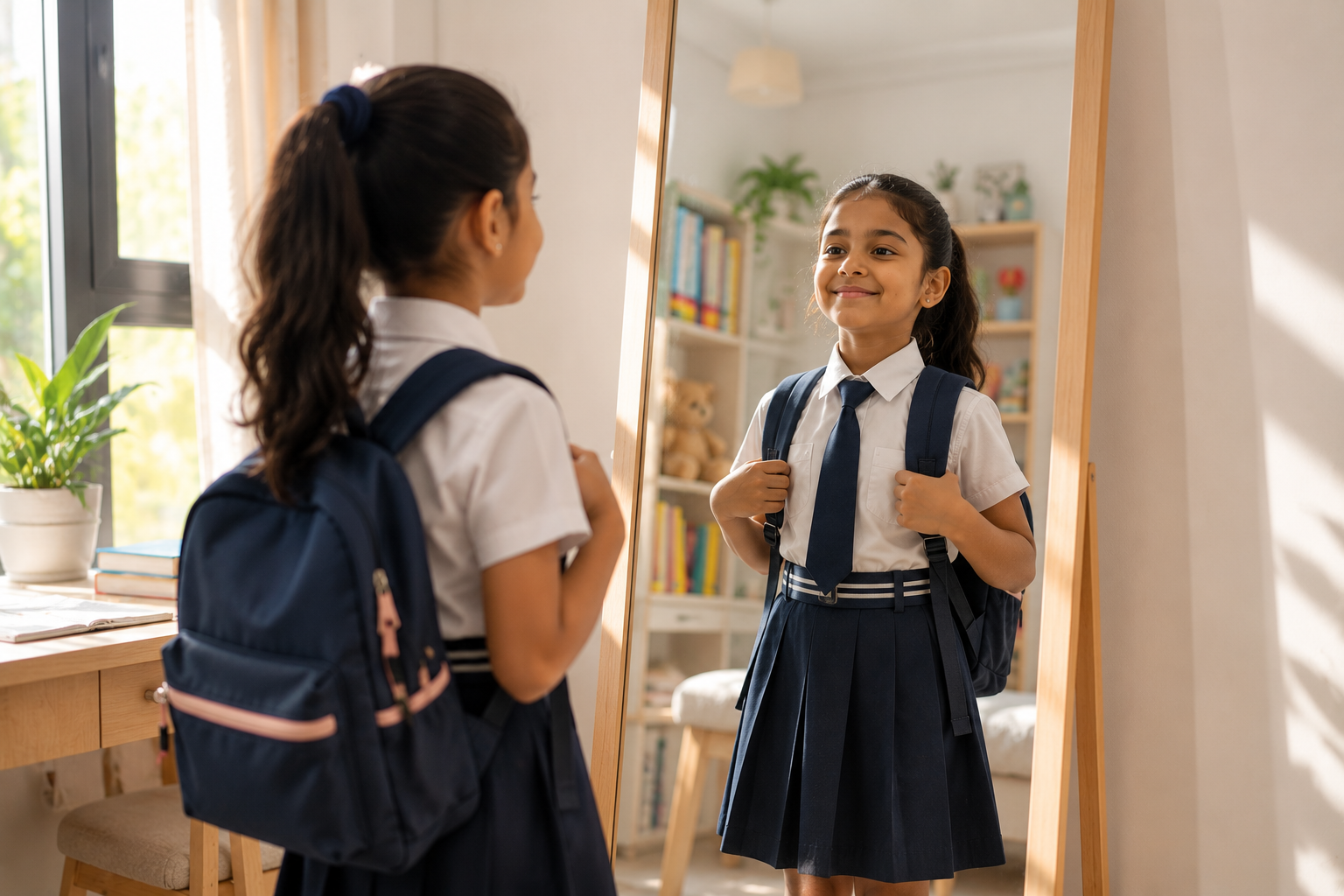
Positive affirmations for kids are short, encouraging statements that help children develop confidence, emotional resilience, self-belief, and a positive mindset. When practiced daily, affirmations improve self-esteem, reduce negative self-talk, encourage a growth mindset, and help children face challenges with confidence. Parents can easily include affirmations in morning routines, bedtime, playtime, or before school to nurture emotionally strong and happy children.
What Are Positive Affirmations for Kids?
Positive affirmations for kids are simple, encouraging sentences children repeat regularly to build confidence and develop healthy thinking patterns.
Examples include:
- I am kind.
- I am brave.
- I can learn new things.
- I believe in myself.
- I never give up.
Although these statements may seem simple, repeated positive self-talk helps children replace self-doubt with confidence and teaches them to believe in their own abilities.
For young children, affirmations become even more powerful when parents repeat them consistently during everyday moments.
What are positive affirmations for kids?
Positive affirmations for kids are short, positive statements that encourage confidence, resilience, emotional well-being, and self-belief. Repeating affirmations daily helps children replace negative thoughts with positive thinking, improve self-esteem, develop a growth mindset, and become more confident learners.
Why Are Positive Affirmations Important for Kids?
Children develop their inner voice from what they hear every day.
When children repeatedly hear:
- "You are capable."
- "You are loved."
- "You can solve problems."
they gradually begin believing these messages.
Positive affirmations help shape this inner voice into one that encourages rather than criticizes.
Daily affirmations can help children:
- Build healthy self-esteem
- Become emotionally resilient
- Improve confidence
- Reduce fear of failure
- Encourage independent thinking
- Develop a positive attitude toward learning
- Improve classroom participation
- Handle mistakes more positively
- Feel emotionally secure

Benefits of Positive Affirmations for Kids
1. Builds Self-Confidence
Confident children are more willing to:
- Answer questions
- Try new activities
- Speak in front of others
- Participate in class
Daily affirmations remind children that they are capable even when something feels difficult.
2. Improves Self-Esteem
Children often compare themselves with friends.
Affirmations teach them that:
"I am enough."
Instead of trying to be like someone else, they learn to appreciate their own strengths.
3. Encourages a Growth Mindset
Instead of saying:
"I can't do it."
Children learn to say:
"I can't do it yet."
This simple change teaches persistence and encourages children to keep trying.
4. Reduces Negative Self-Talk
Every child experiences moments like:
- "I'm not smart."
- "I'll never learn."
- "Everyone is better than me."
Positive affirmations gradually replace these thoughts with healthier beliefs.
5. Helps Children Manage Big Emotions
Affirmations also support emotional regulation.
During stressful situations, children can repeat:
- I am calm.
- I can handle this.
- My feelings matter.
- I am safe.
These statements help children feel more secure and emotionally balanced.
6. Improves School Performance
Children who believe in themselves are more likely to:
- Participate in class
- Ask questions
- Solve problems independently
- Complete challenging tasks
- Stay motivated
Confidence often improves learning outcomes.
How Do Positive Affirmations Work?
Children's brains learn through repetition.
When positive statements are repeated daily, they become familiar thoughts rather than occasional encouragement.
Eventually, children begin saying these encouraging words to themselves naturally.
This creates a healthier inner dialogue that supports confidence throughout childhood.
Best Time to Practice Positive Affirmations
Parents often ask:
When should children say affirmations?
The answer is simple—during everyday routines.
Some great times include:
- Morning before school
- While getting ready
- During breakfast
- Before homework
- Before exams
- Before public speaking
- At bedtime
- After making mistakes
- During emotional moments
Consistency matters more than duration.
Even two minutes daily can make a difference.

75 Positive Affirmations for Kids
Morning Affirmations
- Today is a great day.
- I am ready to learn.
- I will do my best today.
- I am excited to learn new things.
- I choose kindness today.
- I believe in myself.
- I can solve problems.
- I am full of energy.
- I can handle challenges.
- Today will be amazing.
Confidence Affirmations
- I am brave.
- I am smart.
- I am capable.
- I can do hard things.
- I keep trying.
- I learn every day.
- My ideas matter.
- I believe in my abilities.
- I never give up.
- I am growing stronger every day.
School Affirmations
- I enjoy learning.
- Mistakes help me learn.
- I ask questions confidently.
- I love discovering new things.
- I can solve difficult problems.
- I stay focused.
- My effort matters.
- Every day I improve.
- I enjoy reading.
- I enjoy math.
Growth Mindset Affirmations
- I keep learning.
- Challenges help me grow.
- I improve with practice.
- I can always learn something new.
- Every mistake teaches me something.
- I never stop trying.
- I am becoming better every day.
- Practice helps me improve.
- I believe in progress.
- I enjoy learning from mistakes.
Kindness Affirmations
- I am kind.
- I help others.
- I respect everyone.
- I use kind words.
- I am a good friend.
- I listen carefully.
- I share with others.
- I care about people.
- My kindness makes a difference.
- I spread happiness.
Calmness Affirmations
- I am calm.
- I take deep breaths.
- I can manage my feelings.
- I am safe.
- Everything will be okay.
- I stay peaceful.
- I can solve problems calmly.
- I choose positive thoughts.
- I believe in myself.
- I feel relaxed.
Self-Love Affirmations
- I love myself.
- I am enough.
- I am unique.
- I deserve kindness.
- I am proud of myself.
- I am important.
- My feelings matter.
- I deserve happiness.
- I am loved.
- I make the world brighter.
Gratitude Affirmations
- I am thankful.
- I appreciate my family.
- I appreciate my teachers.
- I appreciate my friends.
- I notice good things.
- I am grateful for today.
- I smile often.
- I enjoy learning.
- I celebrate small wins.
- I have many reasons to be thankful.
How Parents Can Make Affirmations More Effective
Children learn through experience rather than repetition alone.
Here are simple ways to make affirmations meaningful:
Say them together
Practice affirmations as a family every morning.
Use a mirror
Mirror affirmations help children connect with the words they're saying.
Keep affirmations visible
Place affirmation cards:
- Near study tables
- On bedroom walls
- On refrigerators
- Inside school bags
Praise effort, not perfection
Instead of saying:
"You're so smart."
Try:
"You worked really hard."
This reinforces a growth mindset.
Model positive self-talk
Children copy adults.
When parents say:
"I'll keep trying."
children learn resilience naturally.
Common Mistakes Parents Should Avoid
Avoid affirmations that feel unrealistic.
Instead of:
"I am perfect."
Choose:
"I am improving every day."
Avoid forcing affirmations.
Children should repeat them willingly and understand their meaning.
Avoid changing affirmations too often.
Repeating the same few affirmations consistently creates stronger habits.
How ClassMonitor Helps Children Build Confidence Beyond Affirmations
Positive affirmations are powerful, but they become even more effective when children experience success through meaningful learning.
At ClassMonitor, children build confidence through engaging, activity-based learning that encourages curiosity, communication, creativity, and independent thinking.
Through interactive worksheets, educational games, hands-on activities, public speaking opportunities, and age-appropriate learning kits, children develop the confidence to express themselves, solve problems, and enjoy learning every day.
When positive affirmations are combined with practical learning experiences, children don't just say "I can do it"—they begin to truly believe it.
Conclusion
Positive affirmations are one of the simplest yet most powerful tools parents can use to build emotionally strong, confident children.
A few encouraging words repeated consistently can shape the way children think about themselves for years to come. Whether your child is starting preschool, learning new skills, or facing everyday challenges, affirmations help them develop resilience, confidence, and a lifelong love of learning.
The goal isn't perfection—it's helping children believe in themselves, one positive thought at a time.

Frequently Asked Questions
1. What are positive affirmations for kids?
Positive affirmations are short, encouraging statements that help children build confidence, self-esteem, emotional resilience, and a positive mindset through regular repetition.
2. At what age should children start using affirmations?
Children can begin hearing simple affirmations as early as 2–3 years old. Preschoolers and school-age children can gradually start repeating them independently.
3. How often should kids practice positive affirmations?
Practicing affirmations once or twice a day, especially during morning or bedtime routines, is enough to build a consistent positive habit.
4. Do positive affirmations really help children?
Yes. Regular positive affirmations can improve self-confidence, reduce negative self-talk, encourage emotional regulation, and help children develop a healthy growth mindset.
5. What are the best affirmations before school?
Some effective school affirmations include: "I am ready to learn," "I can solve problems," "I will do my best," "I believe in myself," and "Mistakes help me grow."
6. How can parents make affirmations more effective?
Parents can repeat affirmations daily, model positive self-talk, use mirror activities, praise effort over perfection, and connect affirmations with real-life experiences.
7. Can affirmations help shy or anxious children?
Yes. Gentle, consistent affirmations such as "I am brave," "I am safe," and "My voice matters" can help shy or anxious children gradually build confidence and emotional security.
8. Are affirmations enough to improve a child's confidence?
Affirmations work best when combined with supportive parenting, positive encouragement, play-based learning, communication opportunities, and real-life experiences that help children experience success.