
Which Techniques Help Children Remember Difficult Spellings for Spelling Bee Contests?
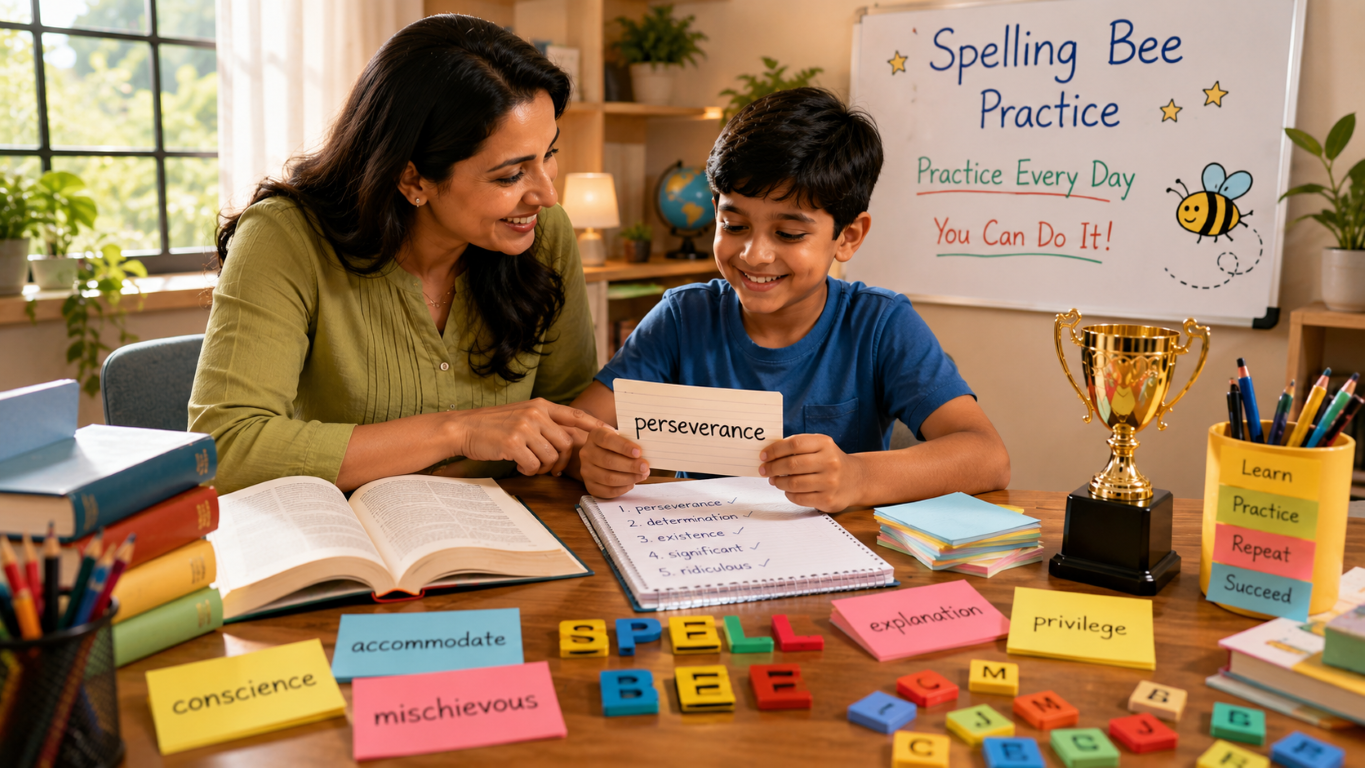
Spelling Bee competitions are much more than spelling difficult words correctly. They help children develop a stronger vocabulary, improve reading skills, sharpen memory, and build confidence. However, many parents wonder: How can my child remember difficult spellings without simply memorizing endless word lists?
The answer is simple—successful spelling isn't based on rote learning. Children remember spellings better when they understand word patterns, phonics, roots, meanings, and pronunciation while practicing regularly through engaging activities.
At ClassMonitor, we believe that learning should be fun, interactive, and meaningful. With the right techniques, every child can master difficult spellings and perform confidently in school spelling bee competitions.
Best Techniques to Remember Difficult Spellings
If you're looking for the fastest way to improve your child's spelling, focus on these proven strategies:
- Learn phonics and letter sounds first.
- Break long words into smaller syllables.
- Understand prefixes, suffixes, and root words.
- Read aloud every day.
- Practice with flashcards and spelling games.
- Write difficult words repeatedly in meaningful sentences.
- Revise old words regularly.
- Conduct mock spelling bee sessions at home.
These methods improve long-term memory instead of short-term memorization.
Why Do Children Forget Difficult Spellings?
Many children memorize spellings only for weekly tests. A few days later, they forget them because they never understood why the word is spelled that way.
Common reasons include:
- Memorizing without understanding.
- Limited reading habits.
- Weak phonics foundation.
- Lack of regular revision.
- Learning too many words at once.
- No practical use of new vocabulary.
Instead of memorizing hundreds of words, children should build strong spelling habits that help them decode unfamiliar words independently.
10 Proven Techniques That Help Children Remember Difficult Spellings
1. Learn Through Phonics Instead of Memorization
Phonics teaches children how letters and sounds work together. When children understand sound patterns, they can spell unfamiliar words more confidently.
For example:
- light
- bright
- night
- sight
Recognizing common letter patterns makes spelling much easier.
Why it works: Children understand spelling rules instead of guessing.
2. Break Long Words into Smaller Parts
Large words become easier when divided into syllables.
Instead of:
environment
Teach:
en • vi • ron • ment
Instead of learning one difficult word, children learn four manageable parts.
This technique improves pronunciation, spelling accuracy, and confidence.
3. Learn Prefixes, Suffixes, and Root Words
Many English words follow predictable patterns.
Examples:
- unhappy = un + happy
- rewrite = re + write
- careless = care + less
- transportation = transport + ation
When children recognize word families, they can spell hundreds of related words more easily.
4. Build Visual Memory
Some children remember words better by seeing them repeatedly.
Write difficult words using:
- colorful flashcards
- magnetic letters
- whiteboards
- sticky notes around the house
The more frequently children see a word, the stronger the visual memory becomes.
5. Read Every Day
Daily reading naturally introduces children to correct spellings.
Encourage reading:
- storybooks
- children's magazines
- informational books
- age-appropriate novels
Repeated exposure helps children recognize words instantly during spelling competitions.
6. Use New Words in Sentences
Children remember words longer when they use them in context.
Instead of only spelling:
beautiful
Ask them to write:
"The butterfly has beautiful wings."
Meaningful usage strengthens vocabulary, grammar, and spelling together.
7. Practice with Spelling Games
Learning becomes enjoyable through games.
Try activities like:
- Word Bingo
- Scrabble
- Crossword puzzles
- Word Hunt
- Missing Letter Challenge
- Letter Tile Games
- Digital spelling quizzes
Gamified learning increases engagement and reduces learning stress.
8. Follow the "Little and Often" Rule
Trying to memorize 100 words in one day usually doesn't work.
Instead:
- Learn 5–10 new words daily.
- Revise yesterday's words.
- Review older words every weekend.
Small, consistent practice leads to better long-term retention.
9. Conduct Mock Spelling Bee Sessions
Practice exactly like a real competition.
Parents can:
- pronounce a word
- ask the child to repeat it
- request the meaning
- use it in a sentence
- spell it aloud
This builds confidence and prepares children for real spelling bee contests.
10. Celebrate Progress Instead of Perfection
Children learn faster when mistakes are treated as learning opportunities.
Celebrate:
- learning new words
- correct pronunciation
- improved confidence
- consistent practice
Positive reinforcement encourages children to keep improving without fear of failure.
Common Mistakes Parents Should Avoid
Many parents unintentionally make spelling practice stressful.
Avoid these mistakes:
- Asking children to memorize long word lists.
- Correcting every mistake immediately.
- Comparing children with others.
- Practicing only before competitions.
- Ignoring pronunciation and word meaning.
- Focusing only on difficult words.
The goal is to develop confident learners, not just competition winners.
How ClassMonitor Helps Children Master Spellings
At ClassMonitor, we combine structured learning with engaging activities to help children develop strong spelling and vocabulary skills.
Our Spell Bee program focuses on:
- Phonics-based spelling strategies
- Vocabulary building
- Word families and language patterns
- Interactive worksheets and games
- Mock spelling competitions
- Reading and pronunciation practice
- Personalized feedback
- Confidence-building activities
Rather than memorizing words, children learn how the English language works—helping them succeed not only in Spell Bee contests but also in reading, writing, and everyday communication.

Final Thoughts
The best spelling bee champions don't simply memorize difficult words—they understand them. By combining phonics, reading, vocabulary building, structured practice, and interactive activities, children develop spelling skills that last far beyond competitions.
With encouragement from parents and expert guidance from ClassMonitor, every child can become a confident speller, stronger reader, and effective communicator. Consistent practice, patience, and the right learning techniques make all the difference in preparing children for spelling bee success.
FAQs
1. How can I help my child remember difficult spellings for spelling bee competitions?
Regular reading, phonics practice, flashcards, word games, and daily revision help children remember difficult spellings and build long-term spelling confidence.
2. What is the best technique to learn difficult spellings quickly?
Breaking words into syllables, learning phonics, understanding word meanings, and practicing consistently are the most effective techniques for mastering difficult spellings.
3. How often should my child practice for a spelling bee competition?
Children should practice 15–20 minutes daily, revise previously learned words, and participate in weekly mock spelling bee sessions for consistent improvement.
4. Do spelling bee competitions improve my child's vocabulary?
Yes. Spelling bee competitions introduce children to new words, improve vocabulary, pronunciation, reading comprehension, and overall English language skills.
5. Are spelling bee classes helpful for school competitions?
Yes. Structured Spell Bee classes teach spelling strategies, phonics, vocabulary, pronunciation, and competition techniques that prepare children for school and national spelling contests.
6. At what age should children start preparing for spelling bee competitions?
Children can begin developing spelling and vocabulary skills from ages 5–6 through phonics, reading, and age-appropriate spelling activities before joining competitions.
7. How can parents make spelling practice fun at home?
Parents can use flashcards, crossword puzzles, storytelling, word-building games, quizzes, and rewards to make spelling practice engaging and enjoyable.
8. Why choose ClassMonitor Spell Bee Classes for my child?
ClassMonitor Spell Bee Classes combine phonics, vocabulary building, interactive activities, mock competitions, and expert guidance to improve spelling accuracy, confidence, and academic performance.