
25 Good Habits for Children Every Parent Should Teach
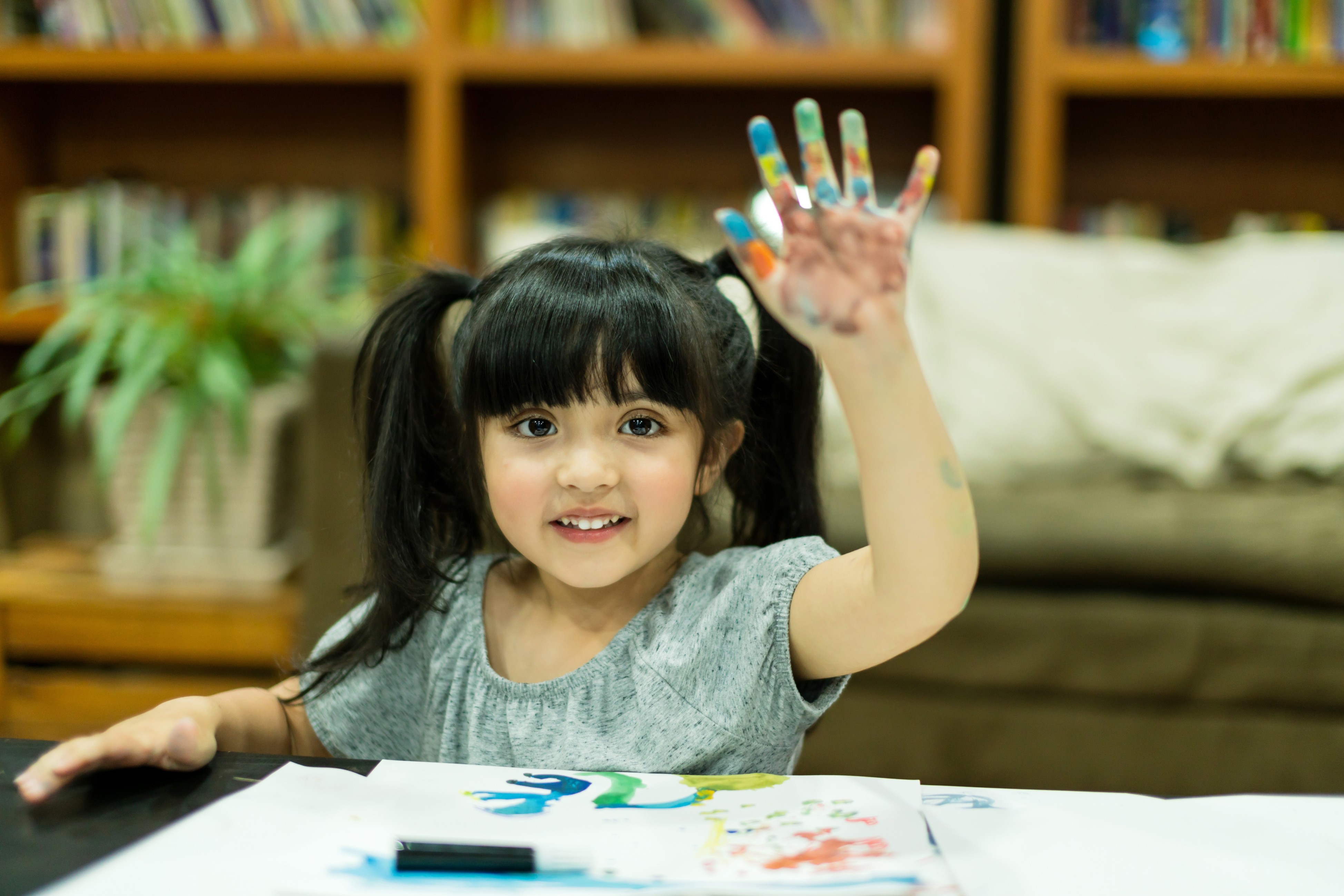
We are what we repeatedly do. Excellence, then, is not an act, but a habit." This timeless wisdom applies nowhere more powerfully than in childhood. The habits children form in their early years become the foundations of their adult personality, health, and success. As parents and educators, one of our greatest responsibilities is to intentionally model and teach good habits for children, starting early and staying consistent.
Here are 25 important habits every child should learn, organized across four life areas: health, learning, social-emotional, and daily life routines.
Health and Hygiene Habits
1. Washing Hands Regularly
Teach children to wash their hands before meals, after using the toilet, after playing outdoors, and after coughing or sneezing. This single habit prevents a wide range of illnesses and instils an understanding of personal hygiene from a very early age.
2. Brushing Teeth Twice a Day
Dental hygiene habits formed in childhood last a lifetime. Encourage brushing in the morning and before bed, for at least two minutes each time. Use a timer or a fun song to make it enjoyable.
3. Drinking Enough Water
Many children prefer juice or packaged drinks over plain water. Teach them the importance of hydration and make water the default drink at home. Children aged 5 to 12 should drink 6 to 8 glasses of water daily.
4. Eating Vegetables and Fruits
Introduce a wide variety of vegetables and fruits from an early age. The more diverse a child's exposure to healthy foods before age 5, the more likely they are to accept them throughout life. Make eating colourful foods a fun challenge, not a battle.
5. Getting Adequate Sleep
A consistent bedtime routine is one of the most important health habits you can establish. Sleep is when the brain consolidates learning, repairs the body, and regulates emotions. Protect your child's sleep time fiercely.
6. Regular Physical Activity
Children should move their bodies for at least 60 minutes every day. This can be unstructured outdoor play, cycling, swimming, or organized sports. Physical activity builds strength, coordination, mood regulation, and brain health simultaneously.
Learning and Academic Habits
7. Reading Every Day
Daily reading, even 15 to 20 minutes, is the single most impactful learning habit you can cultivate. Children who read regularly develop stronger vocabularies, better comprehension, and higher academic performance across all subjects.
8. Completing Homework Before Play
Teaching children to fulfil responsibilities before leisure activities builds discipline and prevents the stress of last-minute cramming. Establish a "homework first, then play" rule and maintain it consistently.
9. Keeping an Organized Bag and Study Space
Teach children to pack their bags the night before school, keep their notebooks organized, and maintain a tidy study space. Organization reduces anxiety and saves time, skills they will use throughout their lives.
10. Asking Questions When They Don't Understand
Many children stay silent in class rather than admit confusion. Actively encourage your child to ask questions, at home, in school, and with tutors. Normalize not knowing as the starting point of learning.
11. Reviewing Notes After School
A 10-minute review of the day's lessons after school dramatically improves retention. This simple habit eliminates the need for last-minute exam revision and builds a deeper understanding of subjects over time.
12. Setting Small Daily Goals
Help older children (8+) set one or two small academic goals each day: "Today I will finish 10 maths problems" or "I will learn 5 new English words." Achieving daily goals builds confidence and momentum.
Social and Emotional Habits
13. Saying Please, Thank You, and Sorry
These three phrases are the cornerstones of respectful social interaction. Model them consistently yourself and gently prompt your child to use them in appropriate situations from as early as age 2.
14. Listening Without Interrupting
Teach children to wait until someone has finished speaking before they respond. This habit builds respect, empathy, and communication skills, essential for healthy relationships throughout life.
15. Expressing Feelings with Words
Rather than acting out emotions through tantrums or withdrawal, encourage children to say "I feel angry because..." or "I am sad that..." This emotional literacy habit is one of the most valuable you can teach.
16. Showing Kindness to Others
Regularly perform small acts of kindness as a family, helping a neighbour, donating old toys, writing a thank-you note to a teacher. Children who practice kindness consistently develop stronger empathy and social intelligence.
17. Respecting Elders
In Indian culture and globally, respect for elders is a deeply valued social habit. Teach children to greet elders appropriately, listen when spoken to, and offer help when needed. These behaviours build character and are noticed positively throughout life.
18. Being a Gracious Winner and Loser
Sports and games are excellent opportunities to practice emotional regulation. Teach children to congratulate others genuinely when they lose, and to win humbly. This habit will serve them in every competitive situation they encounter.
Daily Life and Discipline Habits
19. Making Their Bed Every Morning
This simple habit, taking 2 minutes to tidy the bed each morning, is one of the earliest discipline practices a child can learn. It starts the day with a small accomplishment and builds a sense of responsibility for one's own space.
20. Keeping Their Room and Belongings Tidy
Assign age-appropriate tidying responsibilities. Even a 3-year-old can put toys in a basket. As children grow, increase their responsibility for their own space. A tidy environment supports a calm, focused mind.
21. Reducing Food Waste
Teach children to take only what they will eat and to finish their portions before asking for more. This habit builds gratitude, reduces waste, and instils an early awareness of sustainability, an increasingly important value for the next generation.
22. Managing Screen Time
Help children develop a healthy relationship with technology by establishing clear screen time limits, modelling balanced technology use yourself, and filling their time with enriching offline activities.
23. Being Punctual
Punctuality is a habit that reflects respect for others' time. Help children develop this by building in extra time before appointments, using visual timers, and celebrating on-time arrivals.
24. Taking Care of Pets and Plants
Giving a child responsibility for a plant or pet builds empathy, routine, and a sense of caring for something beyond themselves. Even watering a plant daily is a meaningful responsibility for a young child.
25. Saying a Daily Gratitude
End each day by asking your child to name one thing they are grateful for. This simple habit has been shown to improve mood, reduce anxiety, and build a positive, resilient mindset. It takes 30 seconds and costs nothing.
How to Build Good Habits in Children: 5 Key Principles
1. Model the habit yourself. Children mirror what they see far more than what they are told.
2. Start small and build gradually. One new habit at a time, practised consistently, is more effective than overwhelming a child with many at once.
3. Use routines as anchors. Attach new habits to existing ones (brushing teeth after breakfast, reading before bed).
4. Praise effort and consistency, not perfection. Celebrate the attempt, not just the perfect execution.
5. Be patient. Research suggests it takes 21 to 66 days to form a habit. Stay consistent and trust the process.
Frequently Asked Questions
What are the most important good habits to teach children?
The most important good habits to teach children include regular handwashing, brushing teeth twice daily, reading every day, saying please and thank you, keeping their room tidy, eating nutritious food, getting enough sleep, and treating others with kindness and respect.
At what age should children start developing good habits?
Habit formation can begin as early as 18 months to 2 years. Simple routines like washing hands before meals and brushing teeth can be introduced in toddlerhood. More complex habits like self-study routines and managing emotions are best introduced between ages 4 and 7.
How long does it take to build a habit in children?
Research suggests it takes between 21 to 66 days of consistent practice to form a habit, with younger children often forming habits faster when routines are consistent, positive, and reinforced by parents. The key is consistency, not perfection.
Good habits are not built overnight. They are the result of hundreds of small, consistent choices made every single day. As a parent, you have an extraordinary influence over the habits your child forms in their earliest years. The 25 habits above are not a checklist to complete all at once. Choose 2 or 3 to focus on this month, master them, and move to the next. One small habit at a time, you are building the foundation for your child's lifelong wellbeing and success.