
Confidence Activities for Preschoolers | 15 Fun Ideas
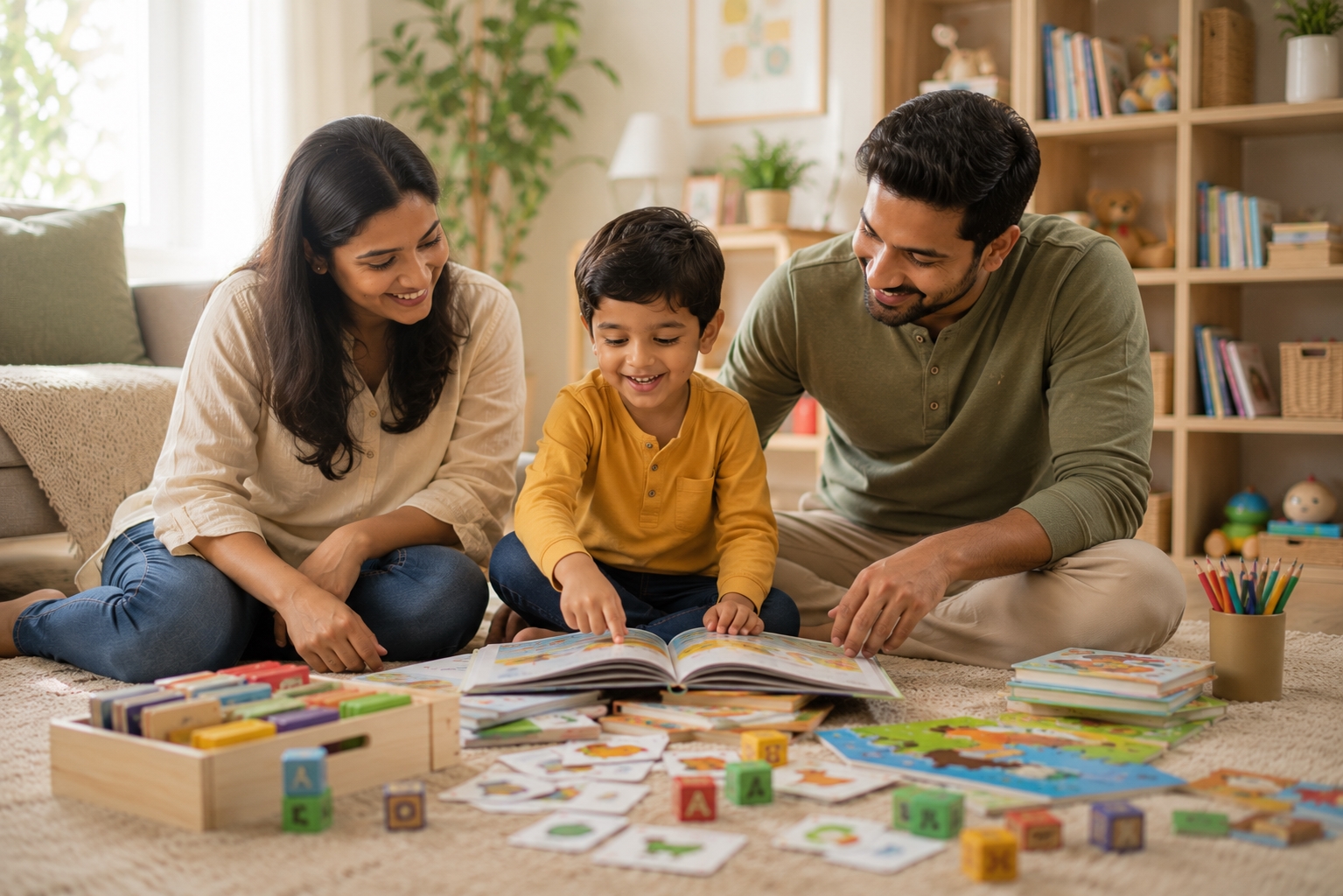
Confidence activities for preschoolers are simple play-based experiences that help children believe in their abilities, make decisions, solve problems, express emotions, and try new things without fear of failure. Activities like role play, obstacle courses, storytelling, building blocks, puzzles, art, and pretend play strengthen confidence while supporting emotional, social, and cognitive development.
Confidence Activities for Preschoolers
Every preschooler deserves to believe in themselves.
Whether it's trying to zip a jacket, speaking in front of classmates, solving a puzzle, or making a new friend, confidence helps children approach challenges with curiosity instead of fear.
Confidence isn't something children are born with—it's built through everyday experiences, encouragement, and opportunities to succeed independently.
The preschool years (ages 3–5) are especially important because children begin developing independence, emotional regulation, communication skills, creativity, and problem-solving abilities. Every small success strengthens their belief that they can learn, improve, and overcome challenges.
In this guide, you'll discover fun, research-backed confidence activities for preschoolers that parents can easily incorporate into everyday routines. These simple activities nurture resilience, self-esteem, independence, and a lifelong love of learning.
Why Confidence Matters in Preschool Years
Confidence influences how children learn, interact, and respond to challenges.
Confident preschoolers are more likely to:
- Try new activities without fear.
- Ask questions and explore ideas.
- Solve simple problems independently.
- Express thoughts and emotions.
- Build friendships.
- Recover from mistakes more easily.
- Participate in classroom activities.
- Develop a positive attitude toward learning.
Confidence is built one small success at a time.

Signs of a Confident Preschooler
Every child is different, but confident preschoolers often:
- Volunteer to try new activities.
- Speak up during conversations.
- Ask questions with curiosity.
- Show pride in completing tasks.
- Recover after making mistakes.
- Enjoy imaginative play.
- Make simple choices independently.
- Celebrate their own progress.
15 Confidence Activities for Preschoolers
1. "I Can Do It" Challenge
Let your child complete simple daily tasks independently, such as wearing shoes, carrying their water bottle, or packing toys.
Why it works: Independence builds self-belief and encourages problem-solving.
2. Pretend Play Adventures
Create scenarios like grocery stores, doctor clinics, classrooms, or restaurants.
Why it works: Role play develops communication, creativity, and social confidence.
3. Build a Block Tower
Challenge children to build the tallest tower possible.
If it falls, encourage them to try again.
Why it works: Teaches perseverance and resilience.
4. Obstacle Course Adventure
Create a simple indoor or outdoor obstacle course.
Jump.
Crawl.
Balance.
Hop.
Celebrate effort rather than speed.
Why it works: Physical challenges improve confidence and body awareness.
5. Storytelling Circle
Read picture books and encourage your child to invent different endings or create their own stories.
Why it works: Improves imagination, language, and self-expression.
6. Show and Tell at Home
Let your preschooler introduce their favourite toy to family members.
Ask questions.
Listen patiently.
Why it works: Builds communication skills and speaking confidence.
7. Art Without Rules
Provide paints, crayons, stickers, and recycled materials.
Avoid correcting their artwork.
Why it works: Encourages creativity without fear of mistakes.
8. Puzzle Time
Choose age-appropriate puzzles.
Offer encouragement instead of solving them.
Why it works: Develops patience, concentration, and confidence.
9. Emotion Matching Game
Use emotion cards or mirrors to identify happy, sad, excited, worried, surprised, and proud.
Why it works: Emotional awareness supports self-confidence.
10. Dance and Freeze Game
Play music.
Dance freely.
Freeze when the music stops.
Why it works: Encourages self-expression and reduces self-consciousness.
11. Nature Treasure Hunt
Ask children to collect:
- Leaves
- Flowers
- Stones
- Feathers
Discuss each discovery together.
Why it works: Curiosity builds confidence through exploration.
12. Cooking Together
Allow children to wash vegetables, stir batter, or arrange fruit.
Praise effort.
Why it works: Everyday responsibilities increase independence.
13. Compliment Circle
Each family member shares one kind thing about another.
Why it works: Positive recognition strengthens self-worth.
14. Kindness Mission
Encourage your child to:
- Help set the table.
- Water plants.
- Share toys.
- Comfort a friend.
Why it works: Helping others builds empathy and confidence.
15. Celebration Jar
Whenever your child tries something new, write it on a small paper and place it in a "Confidence Jar."
Read them together each month.
Why it works: Reinforces progress instead of perfection.
Daily Habits That Build Confidence
Small routines have a big impact.
Try these every day:
- Let children make simple choices.
- Encourage questions.
- Praise effort, not perfection.
- Read together.
- Give age-appropriate responsibilities.
- Allow safe mistakes.
- Celebrate progress.
- Listen without interrupting.
- Spend uninterrupted playtime together.
Mistakes That Can Lower a Preschooler's Confidence
Avoid:
❌ Comparing children to siblings or friends.
❌ Solving every problem for them.
❌ Focusing only on results.
❌ Correcting every mistake immediately.
❌ Overpraising without acknowledging effort.
❌ Rushing them during tasks.
How ClassMonitor Builds Confidence Through Play
At ClassMonitor, we believe confidence grows through meaningful, joyful learning experiences.
Our play-based learning kits and activities help preschoolers:
- Solve age-appropriate challenges.
- Build communication skills.
- Develop creativity.
- Improve problem-solving.
- Express emotions confidently.
- Practice independent thinking.
- Strengthen fine motor skills.
- Learn through stories, games, puzzles, and hands-on exploration.
Designed by early childhood experts, ClassMonitor activities make learning engaging while helping children become confident, curious, and resilient learners.

Frequently Asked Questions
What are the best confidence activities for preschoolers?
Role play, building blocks, obstacle courses, storytelling, puzzles, art, pretend play, show-and-tell, and kindness activities are excellent ways to build confidence in preschoolers.
How can I help my preschooler become more confident?
Encourage independence, praise effort, allow safe mistakes, provide opportunities to make choices, and spend quality playtime together.
Why is confidence important in early childhood?
Confidence helps preschoolers develop resilience, communication skills, independence, curiosity, and a positive attitude toward learning.
What causes low confidence in preschoolers?
Frequent criticism, constant comparison, fear of failure, overprotection, and limited opportunities to make independent choices can reduce confidence.
Can play improve a child's confidence?
Yes. Play encourages exploration, problem-solving, creativity, and decision-making, all of which strengthen confidence naturally.
How often should confidence-building activities be done?
Small confidence-building opportunities every day are more effective than occasional structured activities.
What toys help build confidence?
Building blocks, puzzles, pretend-play sets, art materials, flashcards, and open-ended educational toys encourage confidence through independent exploration.
At what age does confidence start developing?
Confidence begins developing in infancy through secure relationships and grows rapidly during the toddler and preschool years as children gain independence and master new skills.
Conclusion
Confidence doesn't develop overnight—it grows through everyday moments of encouragement, exploration, and achievement. Every puzzle completed, every question asked, every story told, and every challenge overcome helps preschoolers believe in themselves a little more.
By offering play-based confidence activities, celebrating effort, and creating a supportive environment, parents can help children develop the resilience and self-belief they need for school and life.
At ClassMonitor, we are committed to making every learning experience joyful, meaningful, and confidence-building. Through engaging stories, hands-on activities, puzzles, and play, we help preschoolers grow into curious, capable, and confident learners ready to embrace every new adventure.