
10 Communication Skills Every Child Should Learn Before Age 10
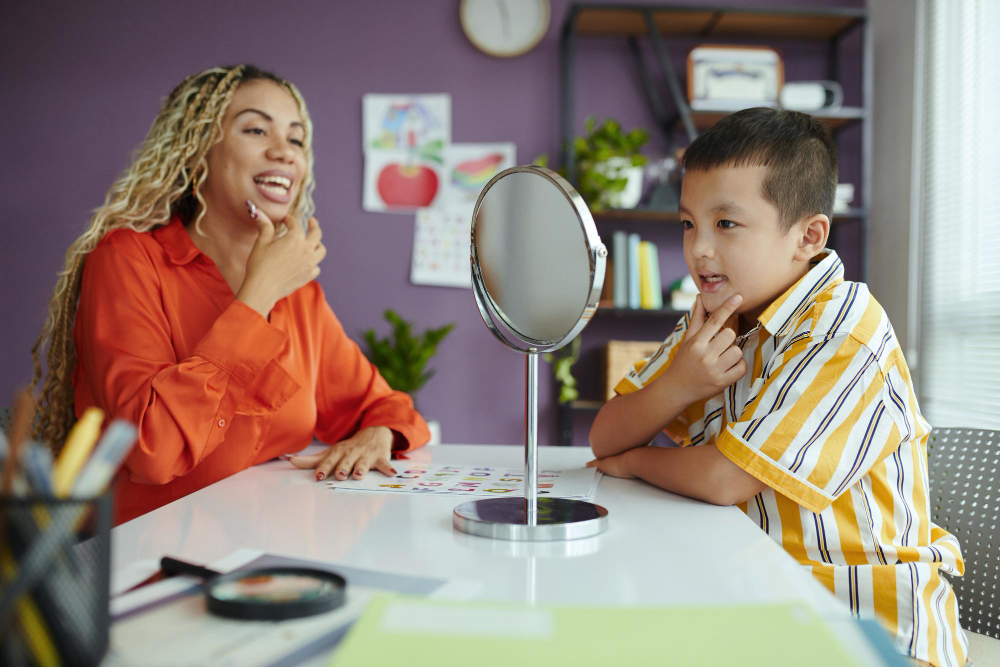
What Are the Most Important Communication Skills Children Need Before Age 10?
If you're wondering:
"What skills will help my child succeed in the future?"
The answer goes far beyond academics.
Today's children need more than good grades. They need strong communication skills, emotional intelligence, problem-solving abilities, and confidence to express their ideas clearly.
Research consistently shows that children who develop strong communication skills early are more likely to perform better academically, build healthier relationships, and become confident leaders later in life.
The good news?
These skills can be developed at home and through the right learning environment.
In this guide, you'll discover the 10 essential communication skills for children, why they matter, and practical ways parents can help build them.
Why Communication Skills Matter Before Age 10
What Are Communication Skills?
Communication skills are the abilities children use to express thoughts, understand others, share ideas, and build relationships.
Communication includes:
- Speaking
- Listening
- Reading
- Writing
- Body language
- Emotional expression
These skills form the foundation of successful learning and social development.
Why It Matters
Studies show that children with strong communication skills:
- Participate more in classrooms
- Build stronger friendships
- Solve conflicts effectively
- Show higher confidence levels
- Develop leadership abilities earlier
Communication is one of the most important life skills for students because it influences every aspect of learning and personal growth.
10 Essential Communication Skills Every Child Should Learn Before Age 10

1. Active Listening
What It Means
Listening carefully when others speak without interrupting.
Why It Matters
Children who listen well:
- Learn faster
- Understand instructions better
- Build stronger relationships
Simple Activity
Ask your child to repeat back key points after a conversation or story.
2. Speaking Clearly and Confidently
What It Means
Expressing thoughts in a clear and understandable way.
Why It Matters
Confident speaking helps children:
- Answer questions in class
- Make friends easily
- Participate in activities
Simple Activity
Encourage your child to describe their day in three complete sentences.
3. Asking Questions
What It Means
Using questions to learn, understand, and explore.
Why It Matters
Curious children become stronger learners.
- Why does the moon change shape?
- How does a rainbow form?
- What happens if we mix colors?
Examples
Questioning develops both communication and critical thinking skills.
4. Expressing Emotions Effectively
What It Means
Talking about feelings instead of acting out.
Why It Matters
Children who express emotions clearly:
- Handle frustration better
- Resolve conflicts peacefully
- Build emotional intelligence
Examples
Instead of:
❌ "I'm angry!"
Teach:
✔ "I feel upset because my toy broke."
5. Using Polite Communication
What It Means
Using respectful language in everyday situations.
Key Phrases
- Please
- Thank you
- Excuse me
- Sorry
Why It Matters
Politeness helps children build positive relationships everywhere they go.
6. Understanding Non-Verbal Communication
What It Means
Using facial expressions, eye contact, and body language.
Why It Matters
Research suggests that a significant portion of communication is non-verbal.
Children should learn:
- Eye contact
- Smiling appropriately
- Positive posture
- Respectful gestures
7. Teamwork and Collaboration
What It Means
Working effectively with others toward a common goal.
Why It Matters
Collaboration prepares children for:
- School projects
- Sports teams
- Future workplaces
Practical Example
Group activities and board games naturally teach cooperation.
8. Problem-Solving Through Communication
What It Means
Talking through challenges instead of avoiding them.
Why It Matters
Strong communicators often become strong problem-solvers.
Instead of fighting over a toy:
Example
Children learn to discuss solutions and compromise.
9. Public Speaking Confidence
Why It Matters
Speaking comfortably in front of others.
Easy Practice
Public speaking develops:
- Confidence
- Presentation skills
- Leadership
Ask your child to present a favorite book or hobby to family members.
10. Empathy and Respect
What It Means
Understanding and respecting other people's feelings and perspectives.
Why It Matters
Empathy helps children:
- Build friendships
- Avoid conflicts
- Become better leaders
Encourage children to think:
Example
"How would I feel in their situation?"
Signs Your Child May Need Communication Support
Watch for these common indicators:
Difficulty Expressing Thoughts
Your child knows the answer but struggles to explain it.
Limited Vocabulary
They frequently use the same words repeatedly.
Poor Listening Skills
They often miss instructions or interrupt conversations.
Low Speaking Confidence
They avoid participating in discussions or speaking in groups.
Why Parents Should Care About Communication Skills

Better Academic Performance
Strong communicators ask questions and understand lessons more effectively.
Stronger Social Relationships
Communication builds meaningful friendships.
Future Career Success
Employers consistently rank communication among the most valuable workplace skills.
Building communication skills for children early creates lifelong advantages.
How Parents Can Build Communication Skills at Home
Read Together Daily
Reading improves vocabulary and comprehension.
Encourage Daily Conversations
Ask open-ended questions like:
“What was the best part of your day?”
Use Storytelling Activities
Ask children to create stories from pictures.
Play Role-Playing Games
Practice real-life conversations through pretend play.
Celebrate Communication Efforts
Praise effort rather than perfection.
Example:
✔ "I loved how clearly you explained that."
Common Mistakes Parents Should Avoid
Correcting Every Small Mistake
Constant correction can reduce confidence.
Talking More Than Listening
Children need opportunities to express themselves.
Comparing Children to Others
Every child develops communication skills at their own pace.
Expert Insights on Communication Development
According to child development experts, children develop foundational communication patterns before age 10 that influence future learning and social success.
Research from educational and developmental psychology studies suggests that early communication development supports:
- Higher academic achievement
- Better emotional regulation
- Improved leadership skills
- Stronger interpersonal relationships
This is why communication skills are considered among the most important life skills for students.
Real-Life Example
Situation
Eight-year-old Aarav understood classroom lessons but rarely participated in discussions.
Action Taken
His parents introduced:
- Daily storytelling
- Family discussions
- Reading sessions
- Show-and-tell activities
Result
Within a few months, Aarav became more confident speaking in class and participating in group activities.
Parent Action Checklist
Use this simple checklist:
☐ Read with your child for 15 minutes daily
☐ Encourage open-ended conversations
☐ Practice storytelling activities
☐ Teach polite communication habits
☐ Model active listening at home
☐ Encourage questions and curiosity
☐ Praise communication efforts
☐ Limit excessive passive screen time
☐ Create opportunities for social interaction
☐ Support public speaking experiences
Conclusion
The future belongs to children who can communicate confidently, think critically, and connect meaningfully with others.
The good news is that communication skills for children can be developed every day through simple conversations, storytelling, reading, and positive encouragement.
Key Takeaways
✔ Communication skills are among the most important life skills for students.
✔ Strong communication improves academic performance, relationships, and confidence.
✔ Parents play a critical role in building soft skills for kids through everyday interactions.
At ClassMonitor, we believe every child deserves the opportunity to become a confident communicator, creative thinker, and lifelong learner.
FAQs
What are the most important communication skills for children?
Active listening, speaking clearly, asking questions, emotional expression, empathy, and public speaking confidence are among the most important communication skills for children.
At what age should communication skills be taught?
Communication skills begin developing from infancy, but ages 3–10 are especially important for building strong communication habits.
How can parents improve communication skills at home?
Parents can improve communication skills through reading together, storytelling, daily conversations, role-play activities, and encouraging open discussions.
Why are communication skills important for future success?
Strong communication supports academic achievement, leadership development, relationship building, and future career opportunities.
What are soft skills for kids?
Soft skills include communication, teamwork, problem-solving, emotional intelligence, adaptability, and leadership abilities.
What are life skills for students?
Life skills for students include communication, decision-making, time management, emotional regulation, collaboration, and critical thinking.
Can shy children develop strong communication skills?
Yes. With consistent encouragement, practice, and positive experiences, shy children can become confident communicators over time.
How does ClassMonitor help children develop communication skills?
ClassMonitor uses engaging learning experiences, interactive activities, storytelling, and confidence-building exercises that help children develop communication, creativity, and critical thinking skills.