
7 Common Phonics Mistakes Parents Make at Home (And How to Fix Them)
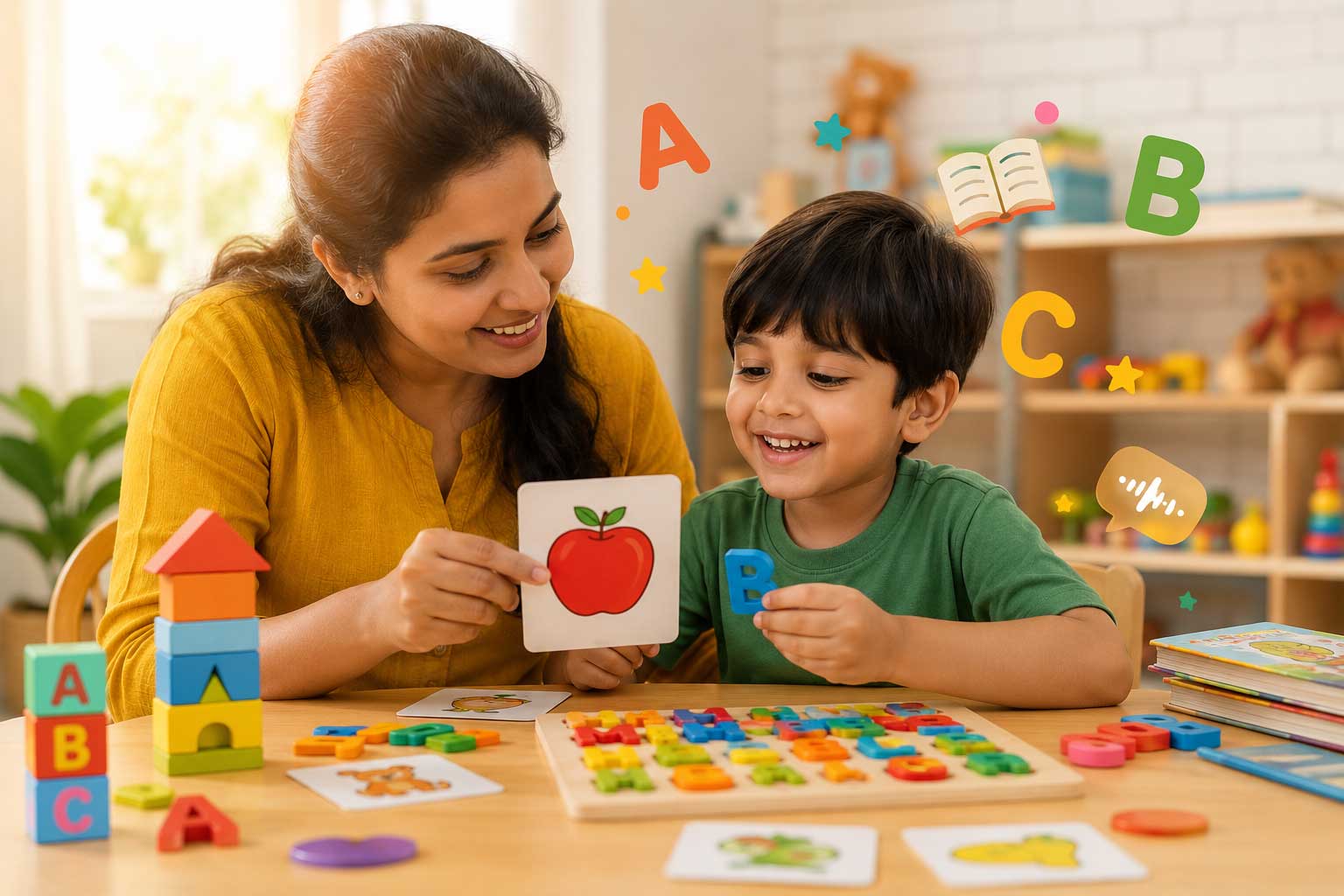
7 Common Phonics Mistakes Parents Make at Home (And How to Fix Them)
"I'm teaching phonics every day... so why isn't my child improving?"
You bought alphabet books.
You practice letters.
You even downloaded worksheets.
But your child still struggles to read simple words.
Here's something most parents don't realize:
👉 Teaching phonics isn't just about teaching letters.
Small mistakes in the learning process can slow down reading progress, even when you're putting in a lot of effort.
The good news?
Most phonics mistakes are easy to fix once you know what to look for.
Why Phonics Matters
Phonics helps children connect letters with sounds so they can decode and read words independently.
A strong phonics foundation helps children:
Learn to read confidently
Improve spelling skills
Build vocabulary faster
Develop long-term reading success
But the way phonics is taught matters just as much as how often it's practiced.

Mistake #1: Teaching Letter Names Before Letter Sounds
Many parents start by teaching:
A = Ay
B = Bee
C = See
While letter names are important, reading depends on sounds first.
For example:
A → /a/
B → /b/
C → /k/
Children who know sounds can begin blending words much earlier.
What To Do Instead
Focus on letter sounds before letter names during phonics practice.

Mistake #2: Skipping Blending Practice
Some children can identify sounds perfectly:
C = /c/
A = /a/
T = /t/
But they still can't read "cat."
Why?
Because they haven't learned blending.
Blending means smoothly joining sounds together:
/c/ + /a/ + /t/ = cat
What To Do Instead
Practice blending simple CVC words daily:
Cat
Dog
Sun
Hat
Pen
Even 5 minutes a day makes a big difference.
Mistake #3: Correcting Your Child Too Quickly
When children make mistakes, many parents immediately jump in with the correct answer.
While helpful intentions are good, constant correction can reduce confidence.
Children learn best when they get time to think.
What To Do Instead
Pause for a few seconds.
Ask guiding questions like:
"What sound does this letter make?"
"Can you try blending it again?"
This builds independent thinking.
Mistake #4: Using Only Worksheets
Worksheets have their place.
But young children learn best through movement, games, stories, and hands-on activities.
Too many worksheets can make phonics feel like work instead of fun.
What To Do Instead
Mix phonics with:
Sound hunts
Flashcard games
Rhymes
Storybooks
Interactive activities
Learning sticks better when children enjoy the process.
Mistake #5: Inconsistent Practice
Many parents practice intensely for a few days and then stop for a week.
Phonics is a skill that grows through repetition.
What To Do Instead
Create a simple daily routine:
5 minutes of sound practice
5 minutes of blending
5 minutes of reading
Consistency beats long study sessions every time.
Mistake #6: Rushing Into Reading Without a Strong Phonics Foundation
Parents naturally get excited to see their child read.
But moving too quickly can create frustration.
Children need strong sound recognition before reading longer words and sentences.
What To Do Instead
Master:
Letter sounds
Blending
Simple CVC words
Before introducing more advanced reading.
A strong foundation saves time later.
Mistake #7: Teaching Phonics in Isolation
Phonics should not feel disconnected from real life.
Children learn better when they see sounds everywhere.
What To Do Instead
Use phonics during daily activities:
Spot sounds on signboards
Read labels together
Play "find something that starts with B"
Discuss sounds while reading stories
This helps children apply learning naturally.
What Parents Should Do Instead
A successful phonics routine includes:
✔ Letter sounds before letter names
✔ Daily blending practice
✔ Patience and encouragement
✔ Games and activities
✔ Consistent short sessions
✔ Strong foundational skills
✔ Real-world phonics experiences
Remember:
Phonics is not a race.
The goal is confidence, not speed.
How ClassMonitor Makes Phonics Easier
Many parents struggle because they don't know what to teach next.
ClassMonitor's phonics-based learning approach helps children progress step-by-step through:
Structured phonics lessons
Interactive activities
Reading readiness skills
Guided practice
Consistent learning routines
Instead of guessing what to teach, parents can follow a proven learning path.
Final Thoughts
If your child is finding reading difficult, it doesn't always mean they're struggling.
Sometimes it simply means the teaching approach needs a small adjustment.
Avoid these common phonics mistakes, stay consistent, and focus on making learning enjoyable.
The right foundation today can create a confident reader tomorrow.
Frequently Asked Questions
What is the biggest phonics mistake parents make?
Teaching letter names before letter sounds is one of the most common mistakes.
How long should phonics practice be each day?
Around 10–15 minutes of consistent daily practice is usually enough.
Should phonics be taught through worksheets?
Worksheets can help, but games, stories, and interactive activities are more effective for young children.
When should my child start reading words?
Once they are comfortable with letter sounds and blending simple sounds together.