
10 Best Phonics Classes in India
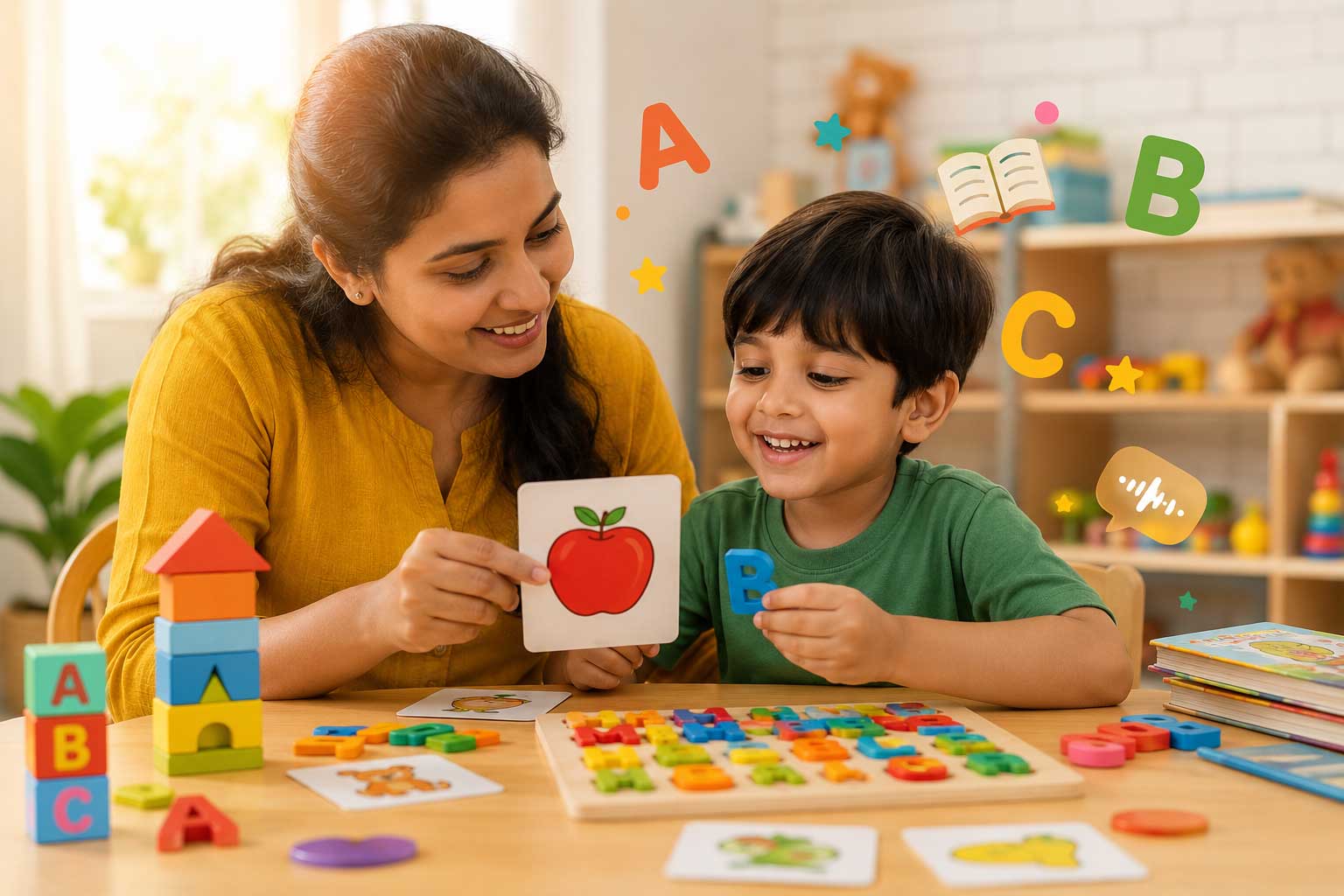
10 Best Phonics Classes in India (2026): A Parent’s Comparison Guide
Looking for the best phonics classes in India for your child? Here’s a practical comparison of 10 popular options, what they offer, and what parents should look for before enrolling.
Learning to read is one of the most important milestones in a child's early education. But for many children, simply memorising the alphabet or spelling words is not enough.
This is where phonics classes can help.
Phonics introduces children to the relationship between letters and sounds and gradually helps them use those sound patterns to decode unfamiliar words. When taught through age-appropriate activities, stories, games and guided practice, phonics can make the early reading journey more structured and engaging.
With online learning becoming increasingly popular among Indian families, parents now have several choices from live 1:1 classes and small-group programs to specialised phonics academies and activity-based learning platforms.
So, which one should you choose?
This guide looks at 10 phonics classes and learning providers available to families in India in 2026, along with the features parents should compare before making a decision.
Note: This is a comparison guide, not a definitive ranking. Programs, fees, schedules and availability can change, so parents should confirm the latest details directly with each provider.
What Should You Look for in a Phonics Class?
Before comparing brands, it helps to understand what makes a phonics program useful for your child's stage of learning.
1. A structured learning sequence
A good program should move logically from foundational sound awareness towards blending, decoding and reading.
2. Age-appropriate teaching
A 3-year-old beginning sound recognition needs a very different learning experience from a 7-year-old working on blends and digraphs.
3. Live interaction
Live classes allow teachers to listen to a child's pronunciation, observe their reading and correct mistakes in real time.
4. Reading practice beyond individual sounds
Phonics should eventually connect sounds to actual words, sentences and books—not remain limited to flashcards or isolated drills.
5. Parent visibility
Parents benefit from knowing what their child is learning, where they are progressing and which areas need additional practice.
6. Engagement
Young children learn differently from adults. Games, stories, movement, activities and interactive exercises can make phonics practice more enjoyable.
10 Phonics Classes in India to Explore in 2026
1. ClassMonitor
ClassMonitor offers live phonics classes designed to help young children develop early reading skills through a combination of phonics and whole-word learning.
The current ClassMonitor live-class page lists its phonics program for children aged 3–6 years and describes it as a complete "Learn to Read" program focused on developing young, confident readers.
Its dedicated phonics program also includes interactive live classes with phonics experts, A–Z phonics and reading concepts, flexible learning options, recorded videos for revision and a completion certificate.
ClassMonitor also offers age-specific course structures. For example, its phonics page currently lists programs for ages 3–4.5, 4.5–6 and 5–7, with different class counts and durations depending on the program. One-on-one options are also available for selected programs.
What makes it worth considering?
- Live classes with phonics educators
- Phonics + whole-word reading approach
- Age-specific programs
- A–Z phonics and reading concepts
- Recorded videos for revision
- Activity-based and gamified learning
- Completion certificate
- 1:1 options available for selected programs
- Parent-focused support and learning resources
ClassMonitor also connects live learning with hands-on learning. Its phonics program highlights an activity kit containing 250+ study items, activity-based learning and a complimentary parent app subscription.
Best suited for: Parents looking for a combination of live phonics instruction, structured early-reading practice and activity-based reinforcement.
2. PlanetSpark
PlanetSpark offers live online phonics classes primarily through a 1:1 format. Its current phonics program covers children from PreKG through Grade 3 and focuses on letter-sound recognition, blending, word families, reading fluency and early speaking confidence.
The platform also describes an age-graded curriculum and provides a free demo and assessment before enrollment.
Best suited for: Parents looking for individualised live online instruction and a broader age range.
3. Tiny Steps Learning
Tiny Steps Learning offers online phonics programs with a strong focus on 1:1 learning. Its current program information covers children from approximately 3–12 years and uses a free assessment to determine a child's starting point.
Its standard 1:1 classes are currently listed as 35-minute sessions, with recorded lessons and guided home practice included in its broader offering.
Best suited for: Parents who prefer individual attention and want the child's current reading level considered before selecting a program.
4. EuroKids
EuroKids is a broader early childhood education and preschool network rather than a specialist online phonics provider. Its preschool programs cover different developmental stages from PlayGroup through EuroSenior, with language development, vocabulary, reading and writing forming part of the learning journey.
EuroKids also provides phonics-focused resources for parents and children, explaining how letter sounds, blending and phonics activities can support early reading. Its current resources describe phonics as a foundation for reading, spelling and pronunciation and highlight the use of songs, stories, actions, visuals and classroom activities.
For parents considering a preschool-based approach, EuroKids can therefore be explored as an option where early literacy and phonics are incorporated into a wider early-learning environment.
Best suited for: Parents looking for a broader preschool learning environment where phonics and early literacy are part of a larger early-childhood curriculum.
5. Bambinos.live
Bambinos.live is an Indian live-learning platform that offers programs around children's English development, including phonics, spoken English and storytelling.
Its live-class model can be relevant for parents who want phonics to be connected with broader language and communication development.
Best suited for: Families interested in combining early reading with spoken English and storytelling skills.
6. iSchooling
iSchooling is another online learning provider offering phonics programs for children.
Its phonics approach focuses on the relationship between sounds and letters, including blending for reading and segmenting for spelling. It is designed for families looking for structured online phonics instruction.
Best suited for: Parents who want phonics practice to support both reading and spelling.
7. Kiddie Expert
Kiddie Expert offers online phonics programs using the Jolly Phonics approach, with different learning levels.
Programs based on Jolly Phonics typically use a multisensory combination of sounds, actions, stories and activities to introduce children to English letter sounds.
Best suited for: Parents specifically looking for a Jolly Phonics-based learning experience.
8. Little Genius Academy
Little Genius Academy offers phonics learning through online and offline formats and promotes an India-focused phonics approach.
A structured course can be useful for parents who prefer a defined learning pathway rather than completely self-paced phonics practice.
Best suited for: Families looking for a structured phonics program with online and offline learning possibilities.
9. Phonics Power
Phonics Power is a phonics-focused provider associated with Chennai and offers both centre-based and online learning.
Its programs are associated with Jolly Phonics-inspired teaching and extend to older children as well as younger learners.
Best suited for: Parents in Chennai or families interested in a specialist phonics provider with centre-based options.
10. British Council
The British Council is primarily an English-language learning provider, with programs for children that develop communication and literacy skills rather than functioning as a dedicated phonics-only academy.
Its current Early Years program, designed for children aged 5–6, includes a dedicated phonics syllabus alongside English learning, storytelling, writing and multisensory activities. The program also provides parent resources and progress information.
For children aged 6–10, the British Council's Primary English program develops reading, writing, listening and speaking through live interactive lessons, activities and independent learning. Families across India can access the program online through its Chennai centre.
The British Council also states that its young-learner approach uses songs, stories, games and activities and monitors children's progress to maintain an appropriate level of challenge.
Best suited for: Parents looking for structured English-language learning that includes phonics and broader literacy development.
Quick Comparison of Phonics & Early Literacy Programs in India
| Provider | Format | Broad Age Range | What Parents May Explore |
| ClassMonitor | Live online | 3–7 years depending on program | Phonics + whole-word reading, activities, revision |
| PlanetSpark | Live 1:1 online | PreKG–Grade 3 | Personalised curriculum, reading & fluency |
| Tiny Steps Learning | Live 1:1 online | 3–12 years | Assessment-led learning, individual attention |
| instrucko | Live online | 3–15 years | 1:1 learning, broader skill ecosystem |
| Bambinos.live | Live online | Young learners | Phonics, English & storytelling |
| iSchooling | Live online | Young learners | Sounds, blending & spelling |
| Kiddie Expert | Online | Young learners | Jolly Phonics approach |
| EuroKids | Preschool / early learning | 2–6 years | Early literacy, language development, phonics resources |
| Phonics Power | Centre + online | Approx. 5–12 years | Jolly Phonics-inspired learning |
| British Council | Online + classroom | 5–10+ years | English, phonics, reading & communication |
Age groups, formats and program structures can change. Parents should check each provider's current website before enrolling.
Online vs Offline Phonics Classes: Which Should Parents Choose?
There is no single format that works for every child.
Online phonics classes
Online learning can be convenient because children can attend from home without travel. Live classes can also provide direct interaction with a teacher while allowing parents to observe the learning environment.
They may work particularly well for families with busy schedules or limited access to specialised phonics teachers nearby.
Offline phonics classes
Offline classes provide face-to-face interaction and can be useful for children who respond strongly to physical classroom routines and peer interaction.
However, availability can vary considerably by city and locality.
Hybrid learning
For many families, combining live classes with offline activities can provide another option.
For example:
Live teacher instruction → Home practice → Reading activity → Parent feedback → Revision
This approach can help children apply what they learn during the class.
What Age Is Best to Start Phonics?
There is no single "perfect" age for every child.
Many children can begin developing phonological awareness and sound awareness during the preschool years, while more structured phonics instruction can be introduced according to the child's readiness.
For younger children, learning might begin with:
- Listening to sounds
- Rhyming
- Identifying beginning sounds
- Connecting sounds with letters
- Recognising simple letter-sound relationships
As children progress, they can move towards:
- Blending sounds
- Reading CVC words
- Digraphs
- Consonant blends
- Long-vowel patterns
- Decoding unfamiliar words
- Reading simple sentences
The important point is to match the teaching pace to the child's current skills rather than simply their age.
Signs Your Child May Benefit From Phonics Classes
You may want to explore structured phonics learning if your child:
- Knows letter names but struggles with their sounds
- Finds it difficult to blend sounds into words
- Guesses words instead of decoding them
- Struggles with simple CVC words
- Finds spelling difficult
- Avoids reading activities
- Has difficulty remembering sound patterns
- Needs more guided practice than school provides
These signs do not necessarily mean a child has a learning difficulty. Children simply develop reading skills at different rates.
A structured program can provide additional practice and guidance.
Phonics Classes vs Learning at Home
Do children really need a phonics class if parents can teach them at home?
Not necessarily.
Parents can absolutely support early literacy through everyday activities such as:
"What sound does M make?"
"Can you find something that starts with /s/?"
"Let's blend /c/ /a/ /t/."
Reading picture books together, playing sound games and practising simple words can all support early literacy.
However, a structured phonics class can provide something that is harder to replicate consistently at home: a planned learning sequence, regular instruction and real-time teacher feedback.
For families that want additional structure, live classes can complement home reading rather than replace it.
How Much Do Phonics Classes Cost in India?
Phonics class fees vary significantly depending on:
- 1:1 vs group classes
- Class duration
- Number of sessions
- Teacher experience
- Curriculum
- Assessment and progress tracking
- Learning materials
- Recorded lessons
- Additional parent support
A 2026 market review by Tiny Steps Learning found publicly advertised live online phonics pricing in its sample at approximately ₹350–₹550 per 1:1 class and ₹200–₹299 per child for typical group classes, although this was a limited provider sample rather than a nationwide pricing survey.
Therefore, parents should compare the total learning package, rather than choosing a program only because its per-class price appears lower.
7 Questions to Ask Before Enrolling Your Child
Before paying for a phonics program, ask:
1. What phonics method do you follow?
Ask whether the program follows a structured sequence and how sounds are introduced.
2. Is the class 1:1 or group-based?
This can significantly affect teacher attention and pricing.
3. How do you assess my child's current level?
Ideally, your child's starting point should influence the learning plan.
4. Will my child practise actual reading?
Ask how the program moves from sounds to words, sentences and books.
5. How will I know if my child is progressing?
Look for regular feedback, assessments or parent updates.
6. Is there home practice?
Short, consistent practice between classes can reinforce learning.
7. Can I attend a demo?
A demo can help you understand the teacher's interaction style and whether your child enjoys the format.
Why ClassMonitor Can Be a Useful Option for Early Learners
For parents of preschool and early-primary children, ClassMonitor combines live instruction with activity-based learning.
Its current phonics program focuses on developing young readers through phonics and whole-word learning, while its dedicated program information highlights A–Z phonics and reading concepts, live expert-led classes, flexible options, recorded revision videos and completion certification.
ClassMonitor also provides hands-on learning resources alongside its digital learning experience. Its phonics program currently highlights an activity kit with 250+ study items, gamified activities and a complimentary parent app subscription.
This can make the learning journey more than simply sitting in front of a screen.
The goal is simple:
Learn the sound → Practise the sound → Blend the sound → Read the word → Use it confidently.
Choosing the Right Phonics Class for Your Child
The "best" phonics class is not necessarily the one with the biggest brand name or the most impressive advertisement.
It is the one that fits your child's age, current reading level, learning style, schedule and learning goals.
Before enrolling, look beyond claims such as "fast reading" or "guaranteed results." Instead, ask:
Is the curriculum structured?
Does my child get meaningful teacher interaction?
Will they actually practise reading?
Can I see their progress?
Does my child enjoy learning this way?
For a young learner, enjoyment matters.
Because the goal of phonics isn't simply to help a child memorise sounds.
It is to help them gradually discover:
"I can read this myself."
And that moment can be the beginning of a lifelong relationship with books and learning.
Ready to Start Your Child's Reading Journey?
If you're looking for live phonics classes for young learners, explore ClassMonitor's current program and book a demo to understand which learning option may suit your child.
Explore ClassMonitor Live Classes
ClassMonitor Read Today. Lead Tomorrow.


